
Key Focus Areas
Influencing the physical, social, and institutional structure of cities
Urban Design
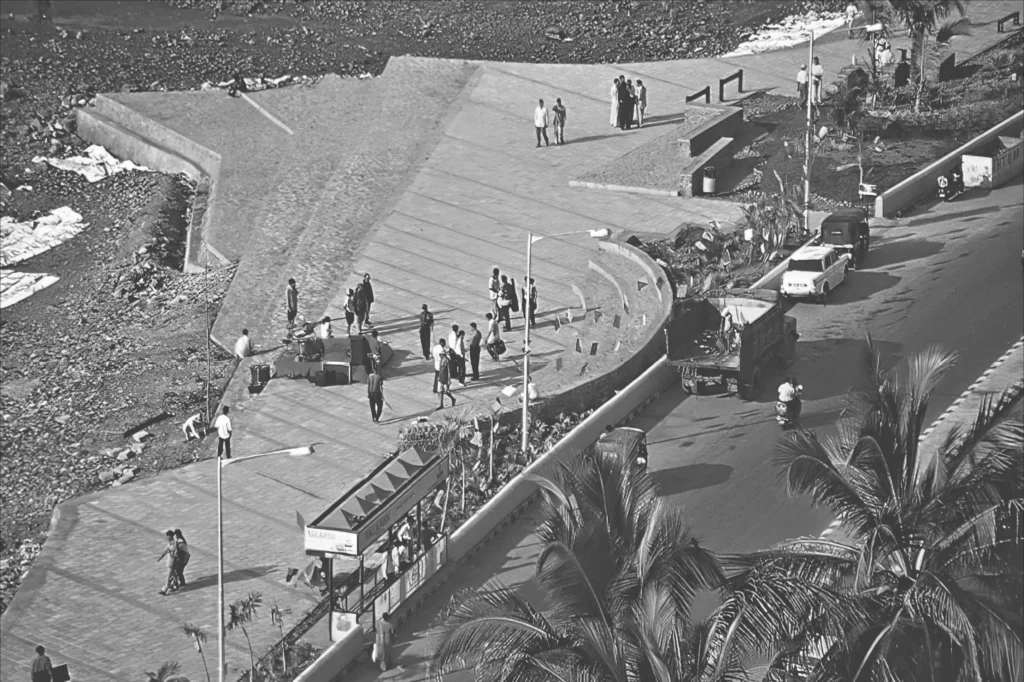
Urban design plays a critical role in shaping the quality, identity, and functionality of cities. In historic urban precincts like Mumbai’s Fort Area, sensitive design interventions are essential to balance infrastructure improvements with heritage conservation. UDRI’s work in urban design began with detailed precinct studies in the Fort Area in 1994, generating comprehensive data on the physical and institutional challenges of the area. The proposals developed through this work were published in five precinct booklets and implemented through several restoration projects. In 2003, UDRI prepared the Fort Management Plan, a comprehensive framework to coordinate infrastructure improvements while preserving the heritage character of the precinct. The organisation is currently working on a local area plan and pedestrian strategy for the Fort Area, integrating the newly introduced Aqualine metro stations and improving public realm connectivity.
Achievements
Publication of five precinct studies for the Fort Area.
Preparation of the Fort Management Plan to guide coordinated infrastructure improvements.
Implementation of several heritage restoration and public realm projects within the precinct.
Spatial Planning
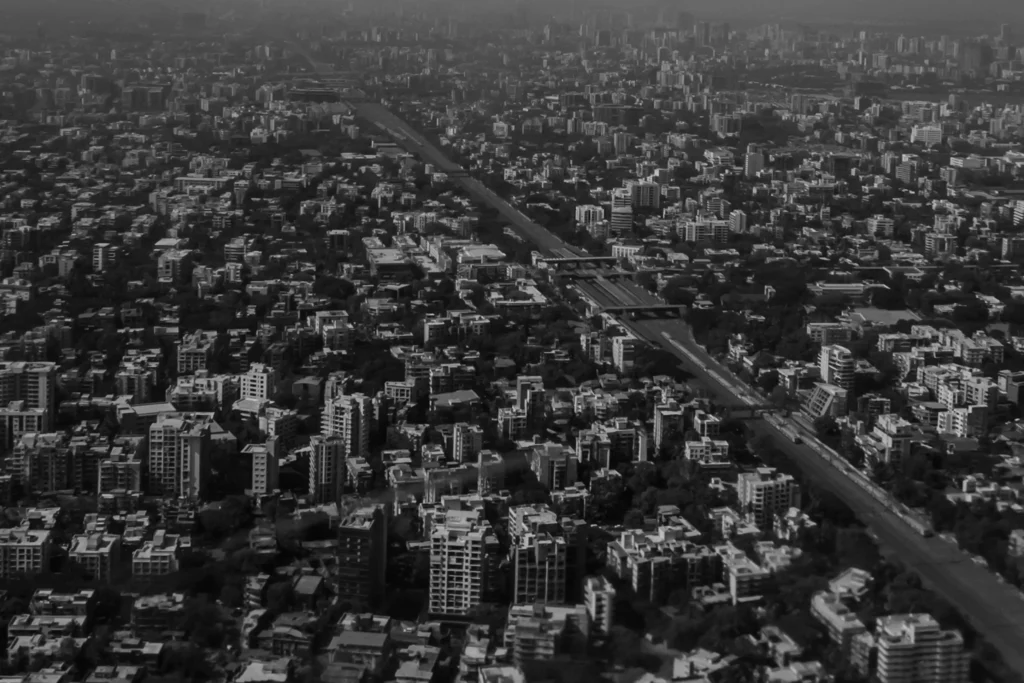
Rapid urbanisation in India has exposed the limitations of fragmented planning systems and weak local institutional capacity. Effective spatial planning is critical to guide urban growth, coordinate sectoral investments, and ensure inclusive and sustainable development. UDRI has been actively engaged in strengthening spatial planning frameworks across India. Its work began in Mumbai through the “Capturing the Voices” initiative (2008) during the preparation of the Development Plan 2034, which enabled large-scale citizen participation through ward-wise briefs, stakeholder partnerships, and training workshops. Building on this experience, UDRI expanded its work nationally, undertaking a study across 25 Indian cities to assess spatial planning practices against an ideal decentralised framework. The organisation is currently researching the integration of land-use and sectoral planning in the Mumbai Metropolitan Region and examining governance structures across the urban–rural continuum.
Achievements
Spatial Planning Index (Flagship Report):
A benchmarking framework analysing spatial planning structures across Indian cities.
Status Report on Spatial Planning:
A national diagnostic study documenting planning instruments, institutional arrangements, and implementation challenges across 25 cities.
Capacity Building Across 7 States:
Workshops conducted in 15+ cities for elected representatives and planning officials.
Policy Engagement with MoHUA:
Participation in national working groups on issues including the urban–rural continuum and redefining urban areas.
Urban Conservation
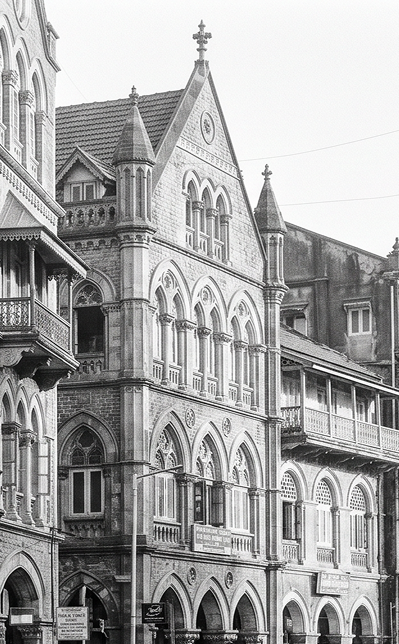
Mumbai’s built heritage reflects its layered history and urban identity. However, rapid urban development often places historic precincts and buildings under significant pressure. UDRI has played a key role in shaping the discourse and practice of heritage conservation in Mumbai since the early 1990s. Beginning with the 1993 seminar Conserving an Image Centre, UDRI initiated a series of studies and advocacy efforts focused on the Fort Area and other historic precincts. The organisation continues to monitor heritage issues and is currently working on updating GIS metadata for heritage buildings in Ward A, consolidating fragmented information to support informed conservation strategies.
Achievements
Contribution to the 1995 heritage legislation protecting heritage precincts.
Conceptualisation of the Kala Ghoda Festival, a major urban arts festival.
Facilitation of F.O.R.T., a coalition of organisations working for the Fort Area.
Contribution to the Draft Heritage Development Control Regulations for the Fort Area (2009).
Support in preparing the UNESCO World Heritage nomination for the Victorian Gothic and Art Deco Ensembles of Mumbai (2018).
Implementation of a heritage signage project highlighting UNESCO sites.
Housing
Housing remains one of the most pressing urban challenges in Indian cities, where affordability gaps, redevelopment pressures, and inadequate policy frameworks continue to limit access to adequate housing. UDRI facilitates research, dialogue, and policy engagement on housing through collaborations with technical experts, policymakers, and civil society organisations. Its work focuses on exploring diverse housing solutions that address the needs of different income groups. Currently, UDRI is convening a study group of experts and stakeholders to assess the housing deficit in the post-PMAY context and explore mechanisms such as self-redevelopment, rental housing, and low- and mid-income housing models.
Achievements
2012
Inclusionary housing mandated in Maharashtra’s Housing Policy following UDRI’s advocacy.
2014
Reinventing Dharavi ideas competition proposing alternative approaches to slum redevelopment.
2016-2018
The State of Architecture and The State of Housing exhibitions.
2019
Advocacy that led to public access to SRA project data, improving transparency.
Urban Infrastructure
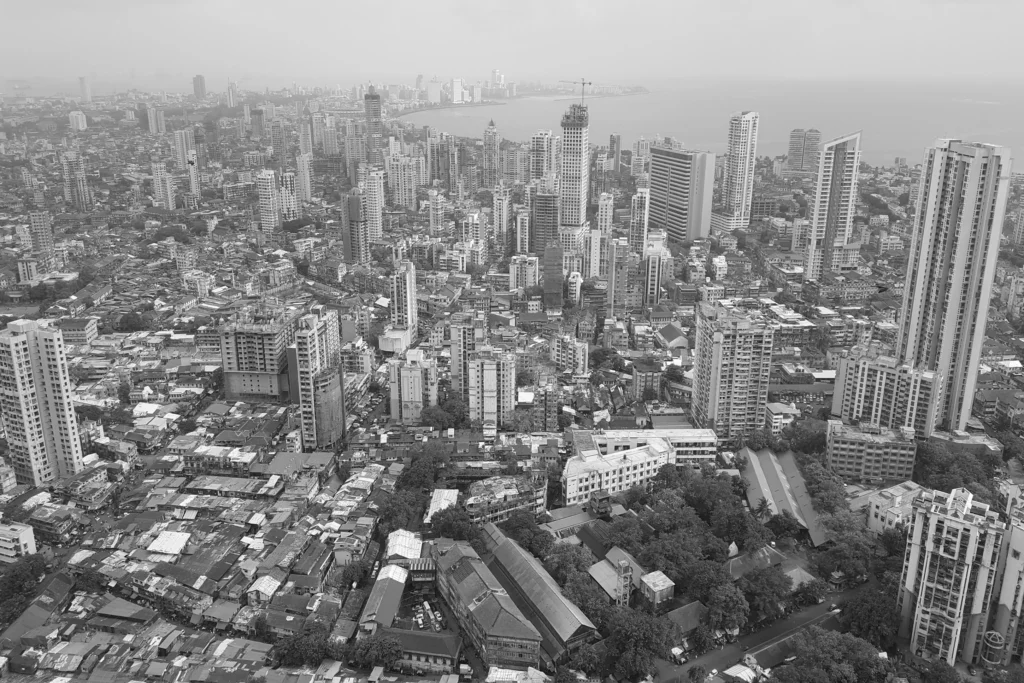
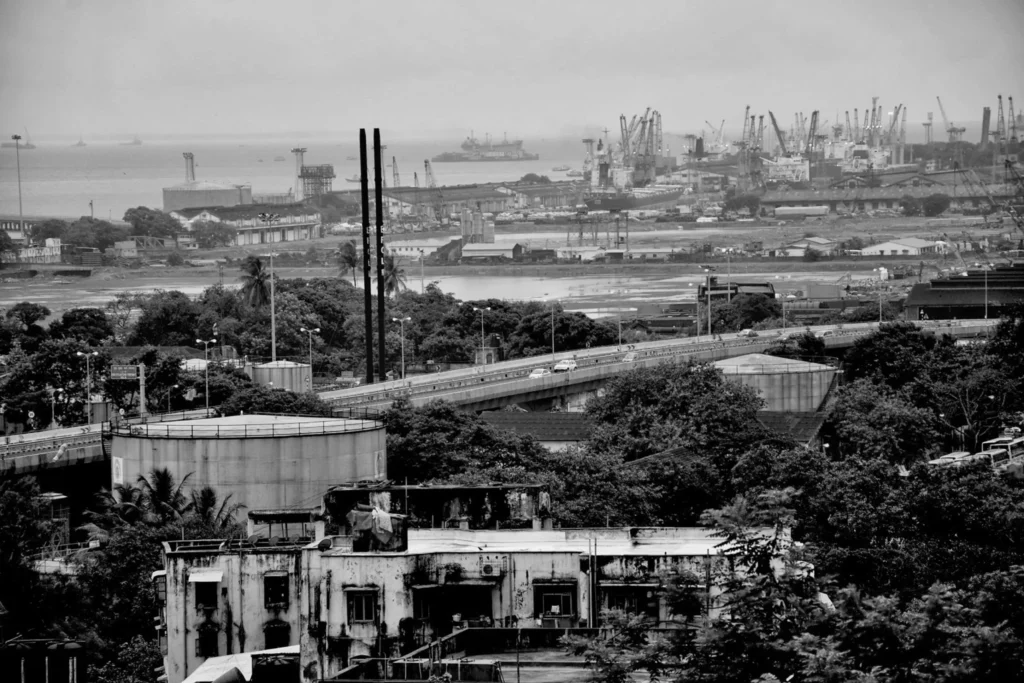
Large-scale infrastructure and redevelopment projects play a transformative role in shaping the spatial and economic future of cities. Strategic planning is essential to ensure that such projects benefit the wider urban public. UDRI has engaged with infrastructure planning in Mumbai through research and policy advisory work. Its Eastern Waterfront Study (2000) was among the first to examine Mumbai’s eastern edge as a single integrated urban site, highlighting its potential as a public and economic asset. In 2014, UDRI was part of the Rani Jadhav Committee, which developed strategies and scenarios for the future redevelopment of Mumbai’s eastern portlands.
Achievements
Eastern Waterfront Study (2000) highlighting the redevelopment potential of Mumbai’s eastern edge.
Participation in the Rani Jadhav Committee (2014) on the future development of Mumbai’s eastern portlands.
Open Spaces
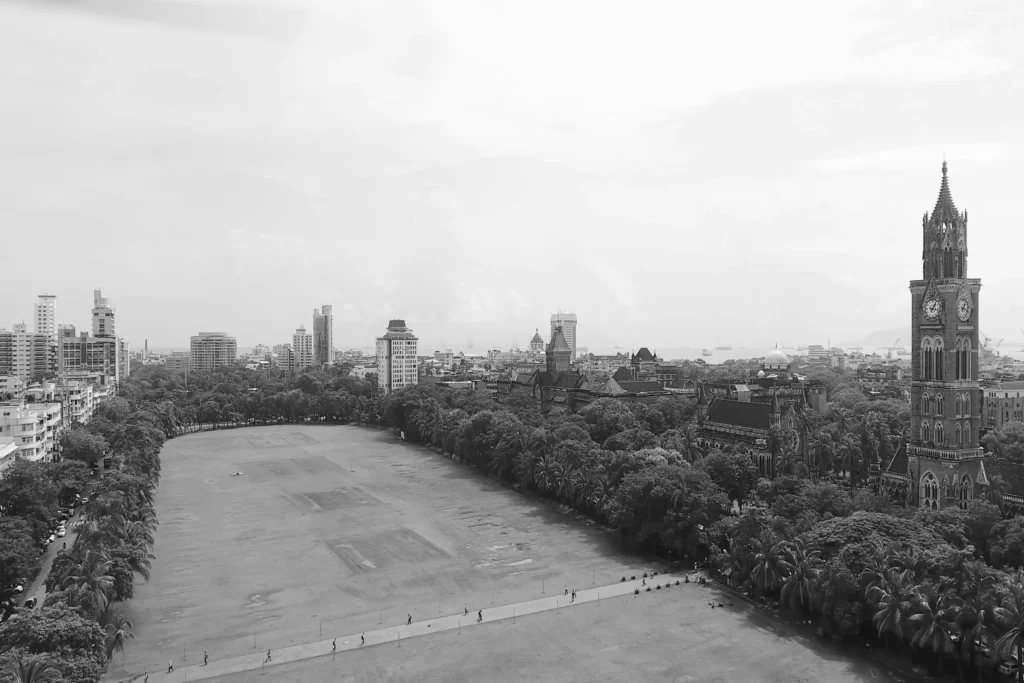
Public open spaces are critical for urban liveability, environmental health, and social interaction. Despite their importance, Mumbai has one of the lowest per capita open space ratios among major cities. UDRI has undertaken extensive research to better understand the distribution, quality, and governance of open spaces in the city. A pilot study in K-West and P-North wards revealed that only 30% of Development Plan-designated open spaces were usable, reducing the effective availability to 1.24 sqm per person. To address this gap, UDRI initiated the Public Open Space (POS) Mapping Project, which developed a framework to systematically map, monitor, and manage open spaces. The framework aims to support data-driven decision-making and citizen participation and is designed for replication across Indian cities.
Achievements
Development of a Public Open Space Mapping Framework for Mumbai.
Creation of a citizen action matrix linking open-space issues with responsible authorities.
Proposal for an Ideas Cell to develop design briefs for major new open spaces.
Development of an interactive public platform to make open space data accessible.
Livelihood
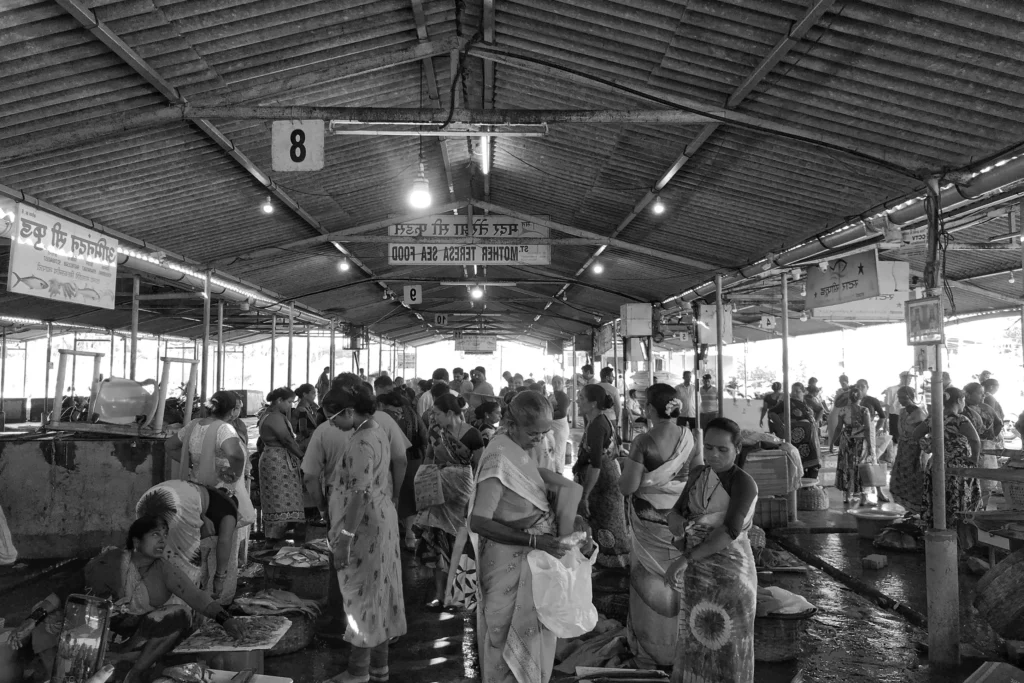
Urban development often places traditional livelihoods at risk, particularly for indigenous and informal communities whose economic activities are closely tied to the city’s geography. UDRI has worked to protect the livelihoods of Mumbai’s indigenous Koli fishing communities, whose coastal settlements face pressure from redevelopment, regulatory changes, and declining fish catch. The organisation studied the impact of urban development on these communities and advocated for recognition of their settlements, markets, and livelihood infrastructure within planning frameworks. Between 2017 and 2021, UDRI worked with Koli communities and government agencies to secure greater recognition and protection for these settlements.
Achievements
Inclusion of Koli settlements in the Coastal Zone Management Plan (CZMP).
Demarcation of koliwadas, gaothans, and adivasipadas in land records to prevent misclassification and secure tenure.
Recognition of livelihood infrastructure such as jetties and fish-drying yards within the CZMP.
Advocacy for basic infrastructure improvements including water supply, sanitation, and solid waste management.