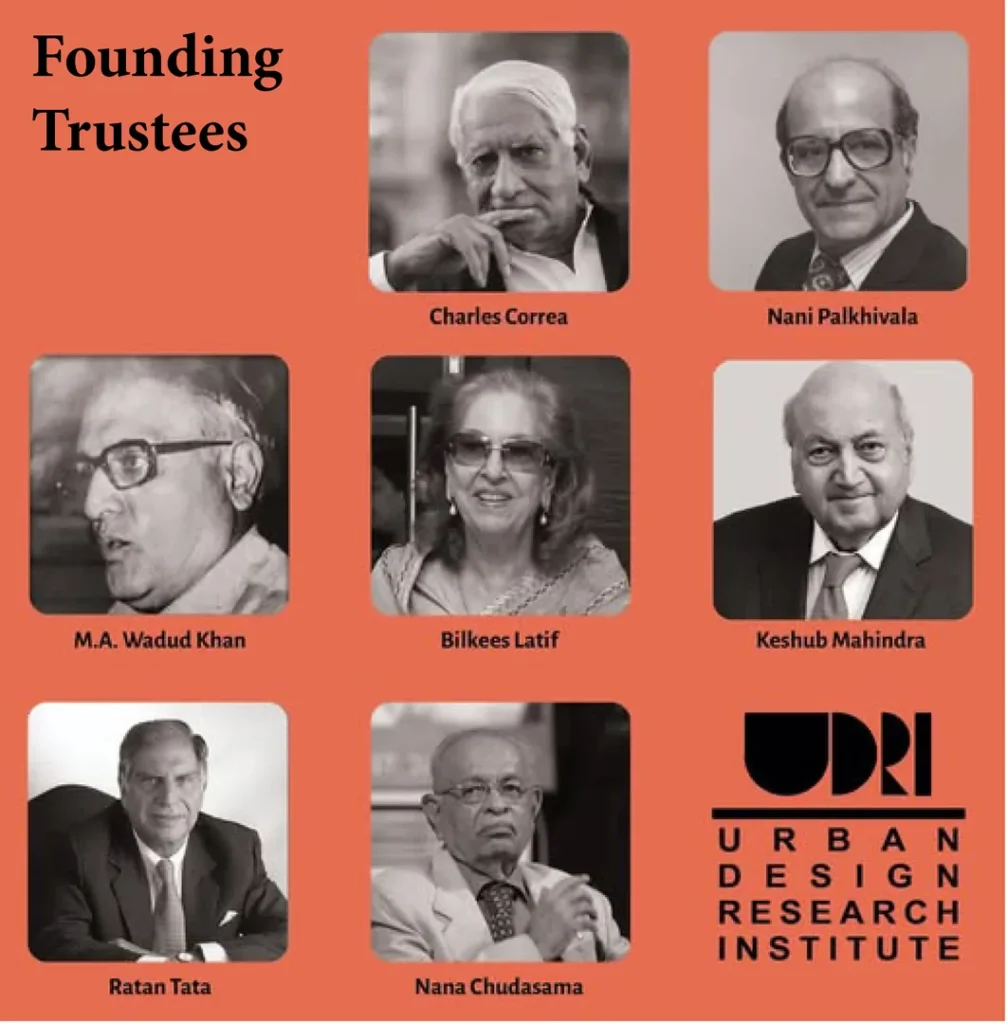
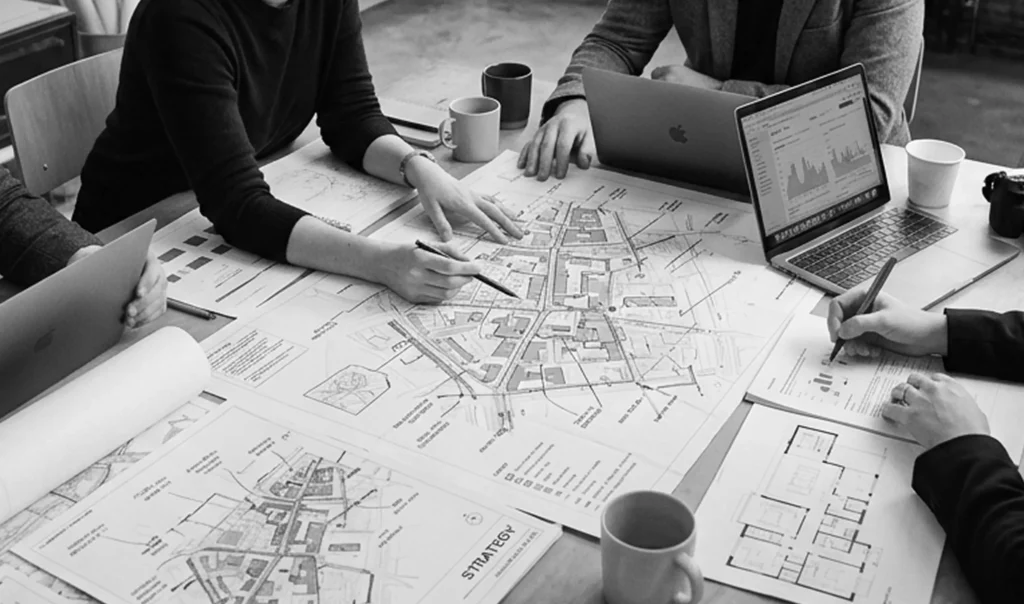
The Urban Design Research Institute (UDRI) was established on 15 October 1984 by a distinguished group of architects, lawyers, industrialists, and social leaders who believed that cities deserve informed and inclusive planning. The founding trustees included Charles Correa, Nani Palkhivala, M. A. Wadud Khan, Bilkees Latif, Keshub Mahindra, Ratan Tata, and Nana Chudasama. The organisation started from a small former BEST transformer room at the Nehru Centre under the name of “Urban Transformer”.
1985-1990
Bridging Academia and Practice
UDRI created a platform connecting academic learning with professional practice by partnering with CIDCO to engage students in live urban design projects under the guidance of Charles Correa and Kamu Iyer. It also collaborated with the Architectural Association School of Architecture on the documentation of Banganga and Bhuleshwar, led by Jal Aria.
1991-1995
Groundwork for India's First Heritage Conservation Legislation
In 1994, Rahul Mehrotra was appointed Executive Director. He played a key role in organising the national workshop Fort Precinct in Bombay: Conserving an Image Centre, which articulated the need to conserve heritage precincts alongside individual buildings. The workshop and its outcomes helped lay the foundation for India's first heritage conservation legislation, adopted in Mumbai in 1995.
1995-1996
Mainstreaming the Discussion on Mumbai's Mill Lands
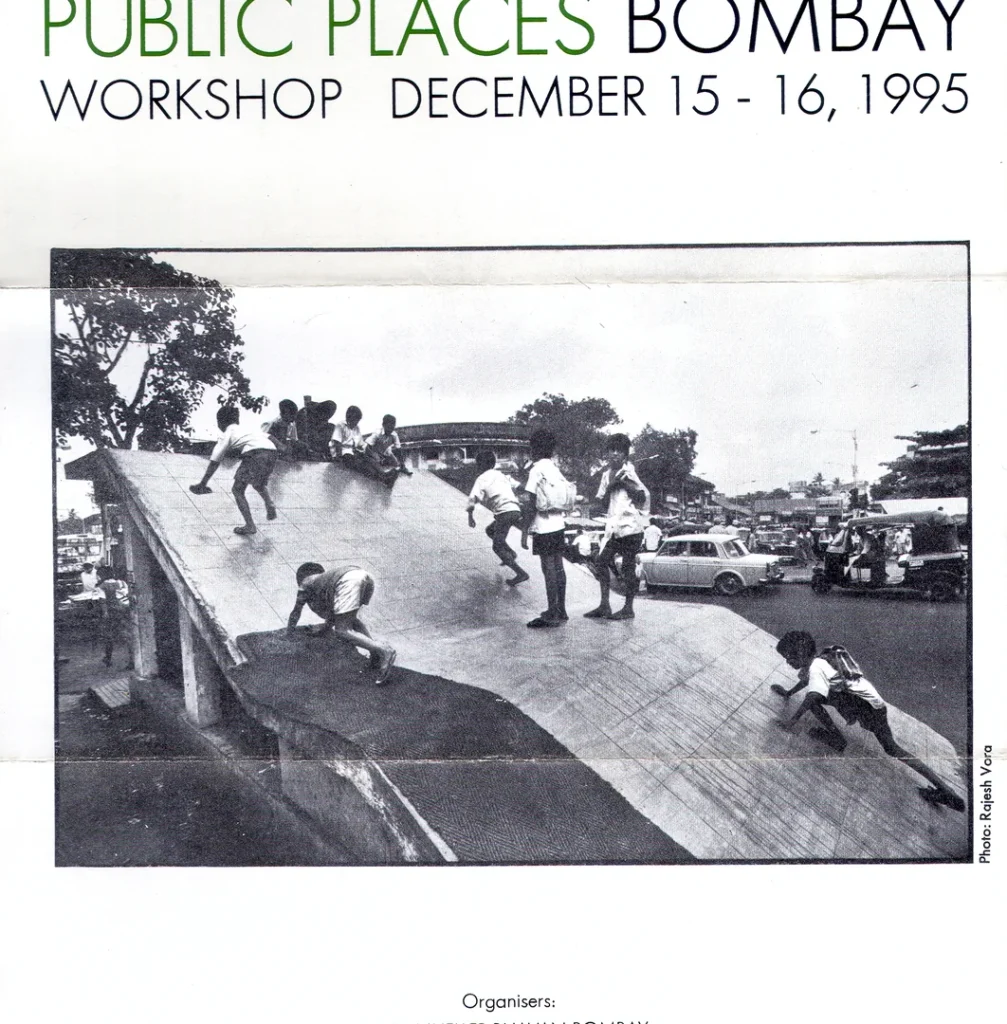
UDRI organised the influential Public Places Bombay workshop in 1995, initiating citywide debates on open spaces, the urban public realm, and the future of Mumbai's textile mill lands. These discussions contributed to the Government of Maharashtra's Correa Commission on Mill Lands, constituted in 1996.
1998
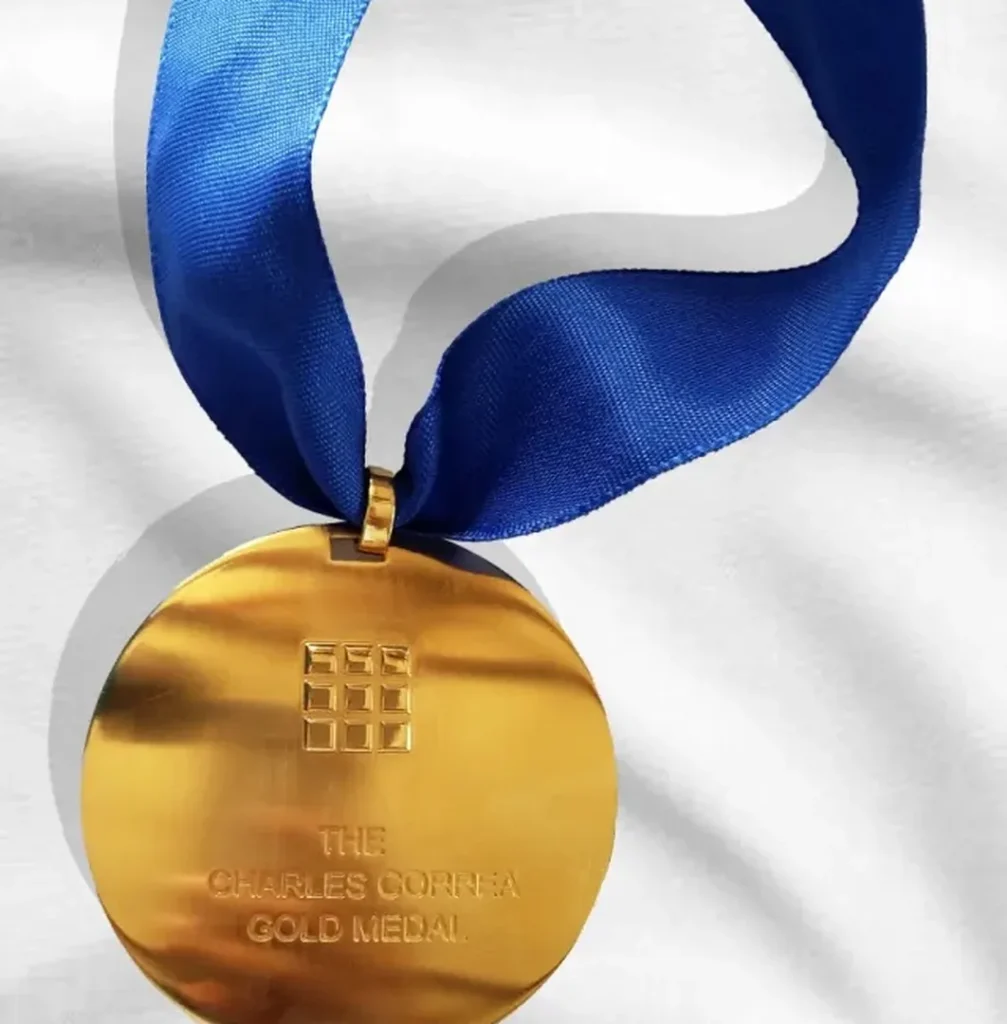
Instituted the Charles Correa Gold Medal for Academic Excellence
UDRI instituted the Charles Correa Gold Medal to recognise excellence in undergraduate architectural thesis projects and encourage emerging talent in architecture. In 2018, stewardship of the award was transferred to the Charles Correa Foundation.
1998-2000
Incubating the Iconic Kala Ghoda Festival
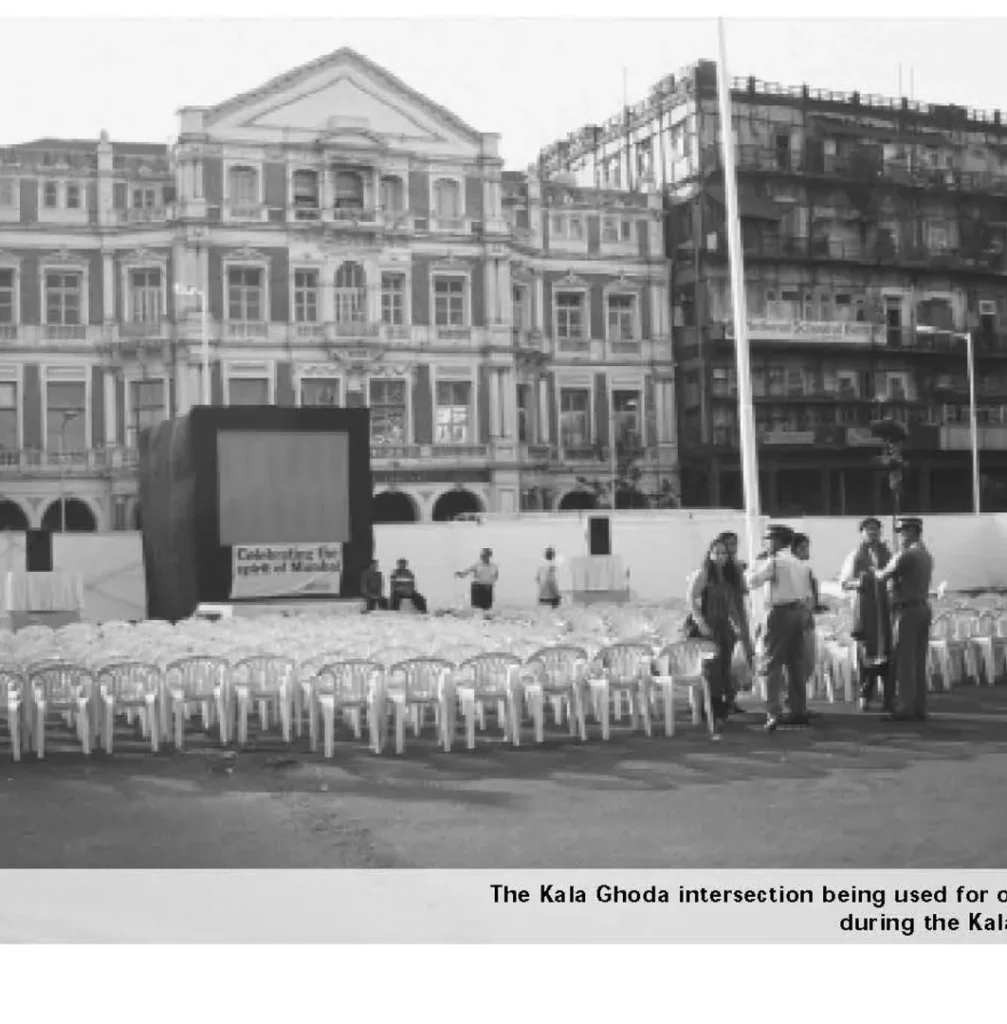
Following Mumbai's heritage conservation legislation, UDRI reimagined the Museum Precinct as the Kala Ghoda arts district, positioning art and culture as drivers of urban conservation. This vision laid the foundation for the Kala Ghoda Festival, demonstrating how cultural programming could revitalise historic precincts and strengthen public engagement with heritage.
2000-2014
Reimagining Mumbai's Eastern Waterfront
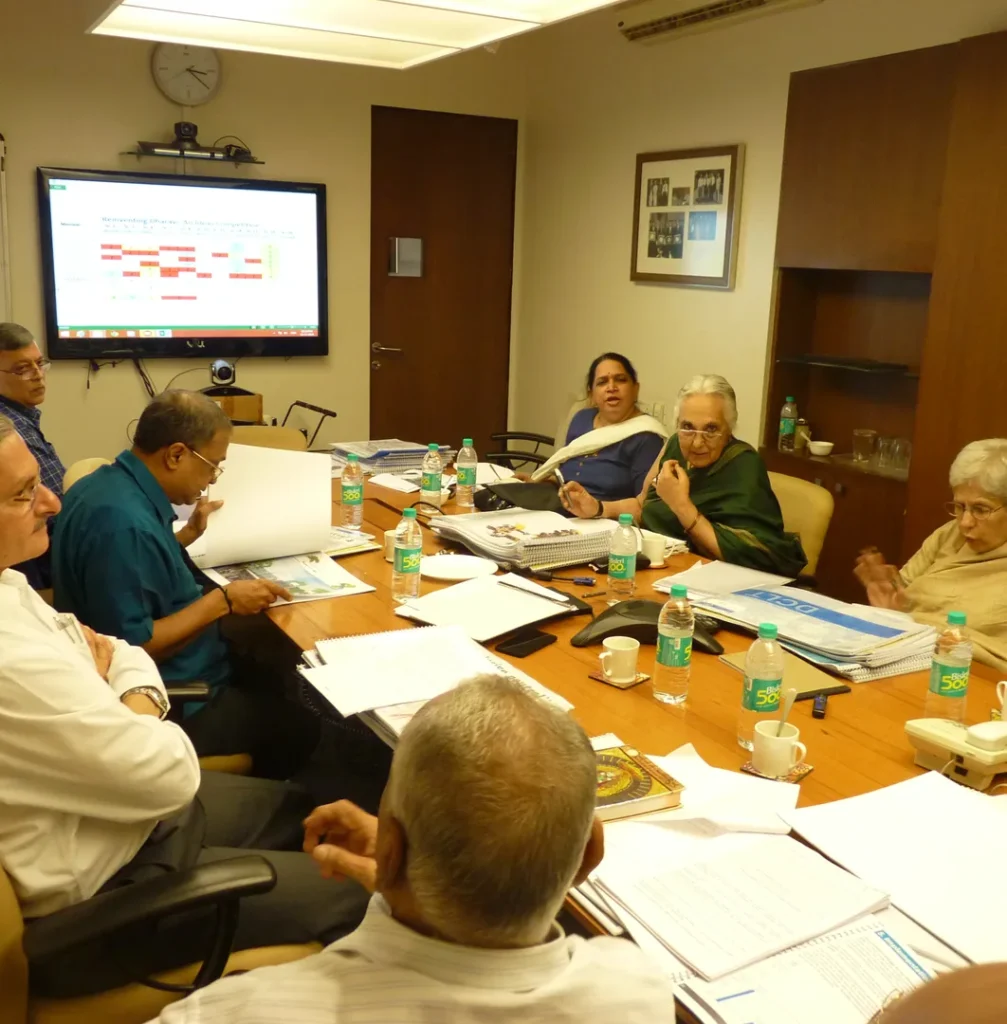
UDRI brought Mumbai's Eastern Waterfront into public and policy discourse through pioneering research and visioning studies that explored its redevelopment potential. Its sustained advocacy helped shape the vision of opening Mumbai Port Trust land to the public, culminating in the formation of the Rani Jadhav Committee in 2024, of which UDRI was a member, to prepare a redevelopment blueprint for 1,800 acres of Mumbai Port Trust land.
2004
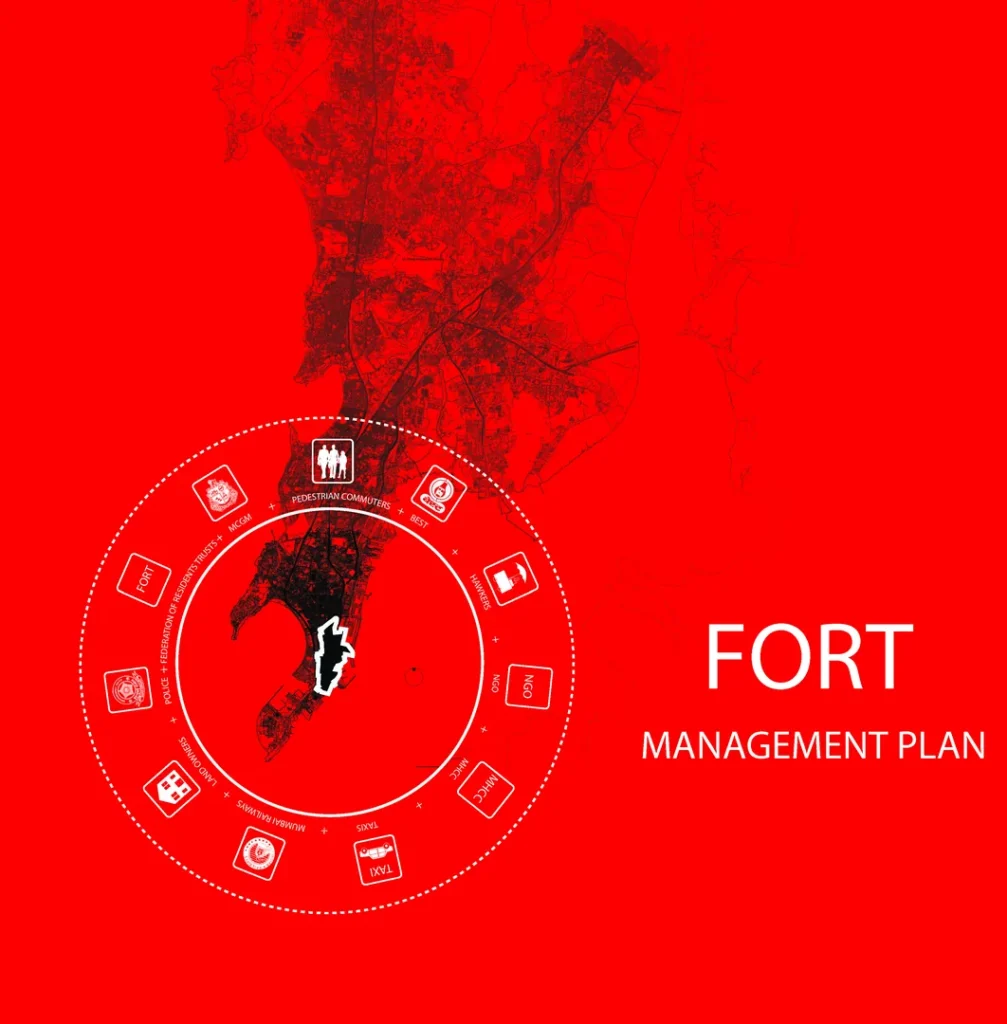
Fort Management Plan
UDRI initiated the Fort Management Plan (FMP) to improve heritage conservation, mobility, public spaces, and solid waste management in South Mumbai. Its sustained advocacy also contributed to the launch of Fort Feri by BEST, enhancing last-mile connectivity and sustainable mobility within the Fort precinct.
2006-present
Launch of the Mumbai Reader
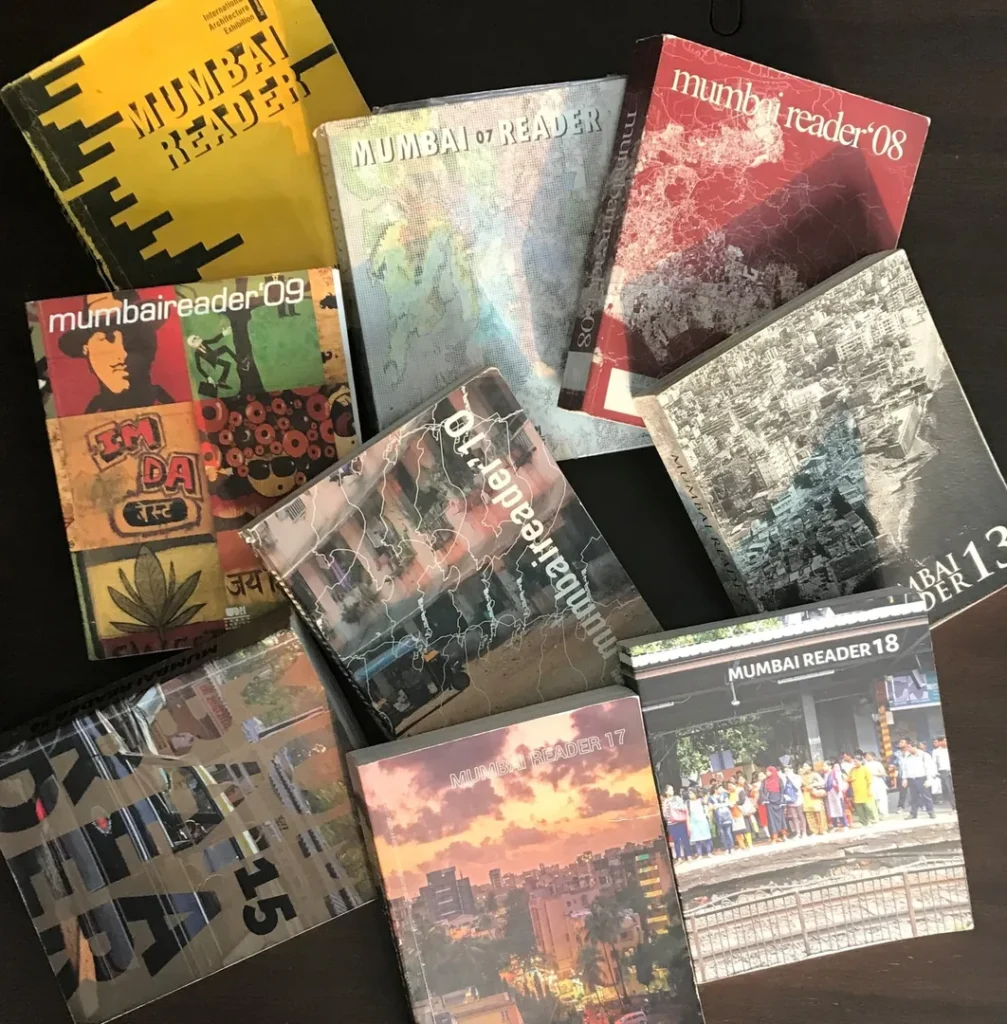
UDRI launched its flagship publication series Mumbai Reader to document Mumbai's urban transformation, promote critical scholarship, and build a body of knowledge for urban research. Among the first publications in India dedicated exclusively to urban studies, the series has become an important platform for interdisciplinary thinking on cities.
2008
Appointed to revise the Mumbai Metropolitan Heritage List
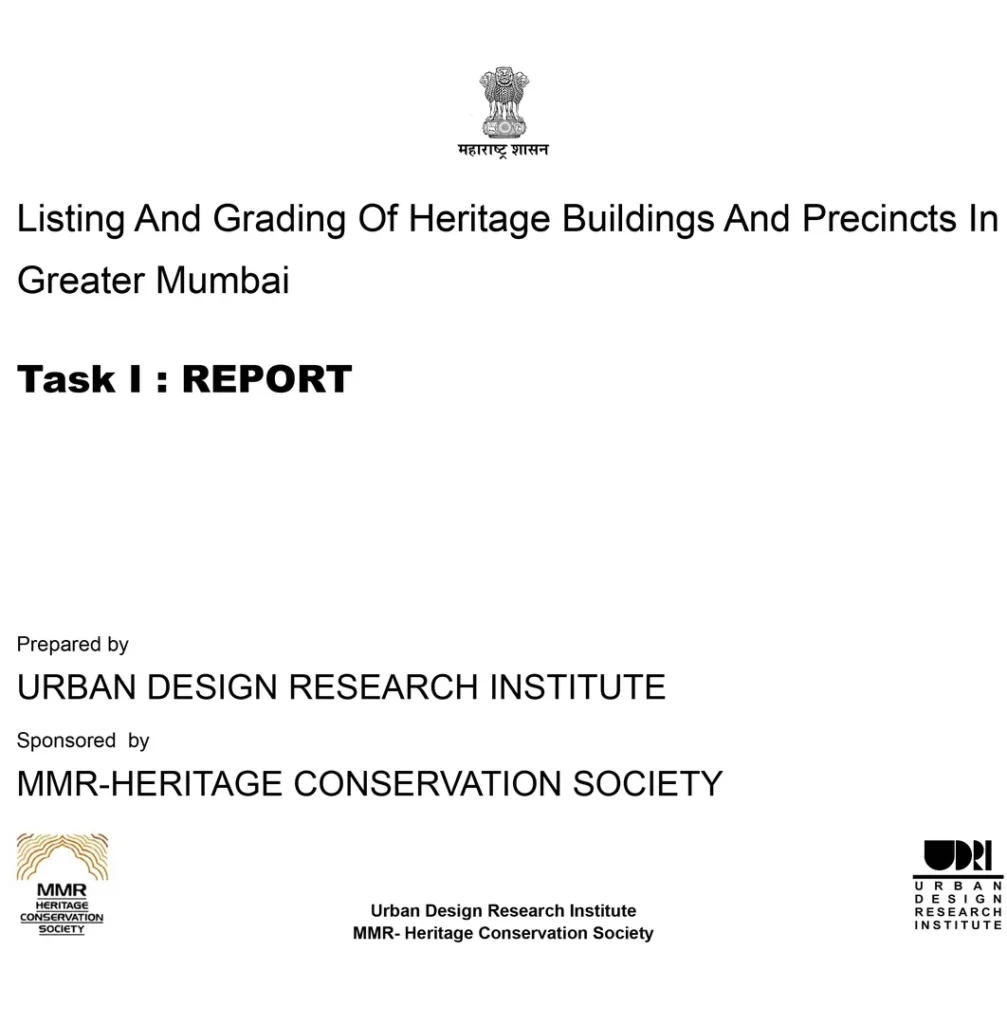
UDRI was appointed by the Mumbai Metropolitan Region Heritage Conservation Society (MMR-HCS) under MMRDA to review and revise the region's heritage listings, updating the inventory prepared between 2003 and 2008.
2008–2018
Shaping Mumbai's Development Plan 2034
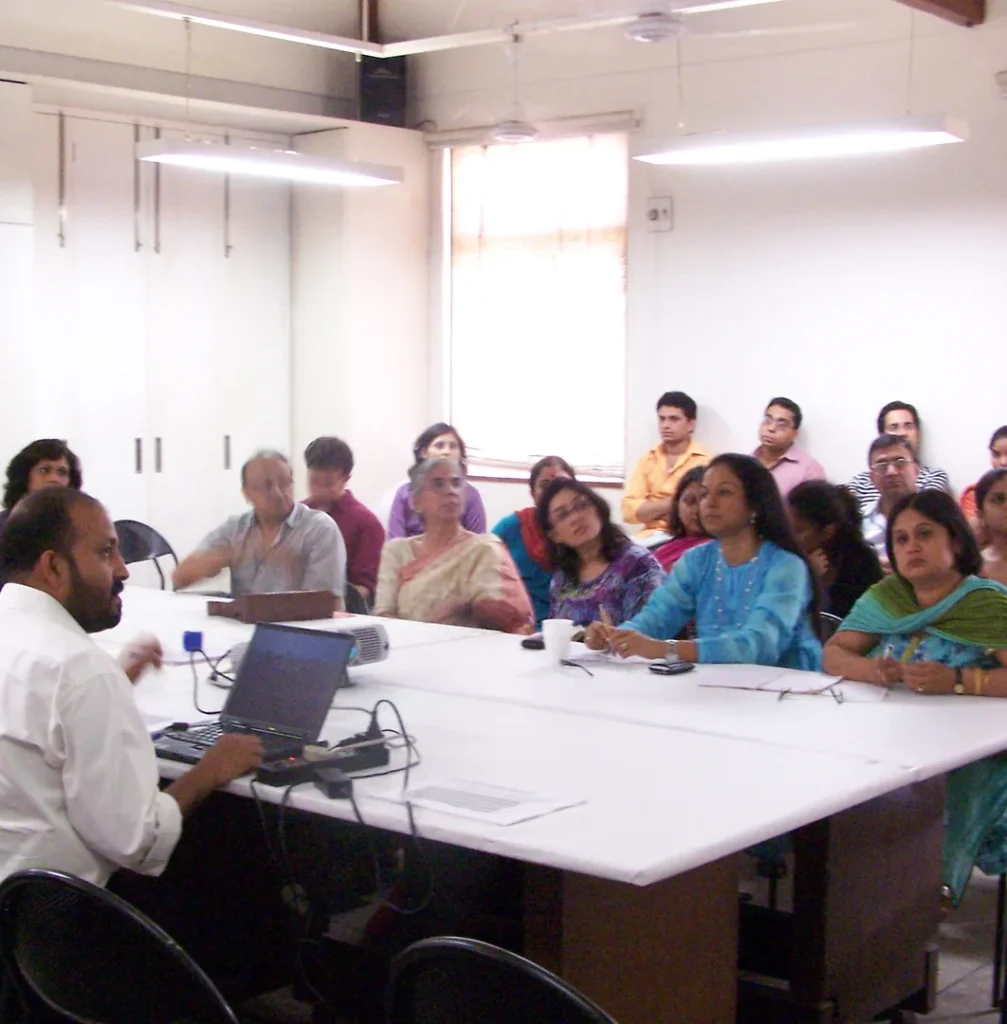
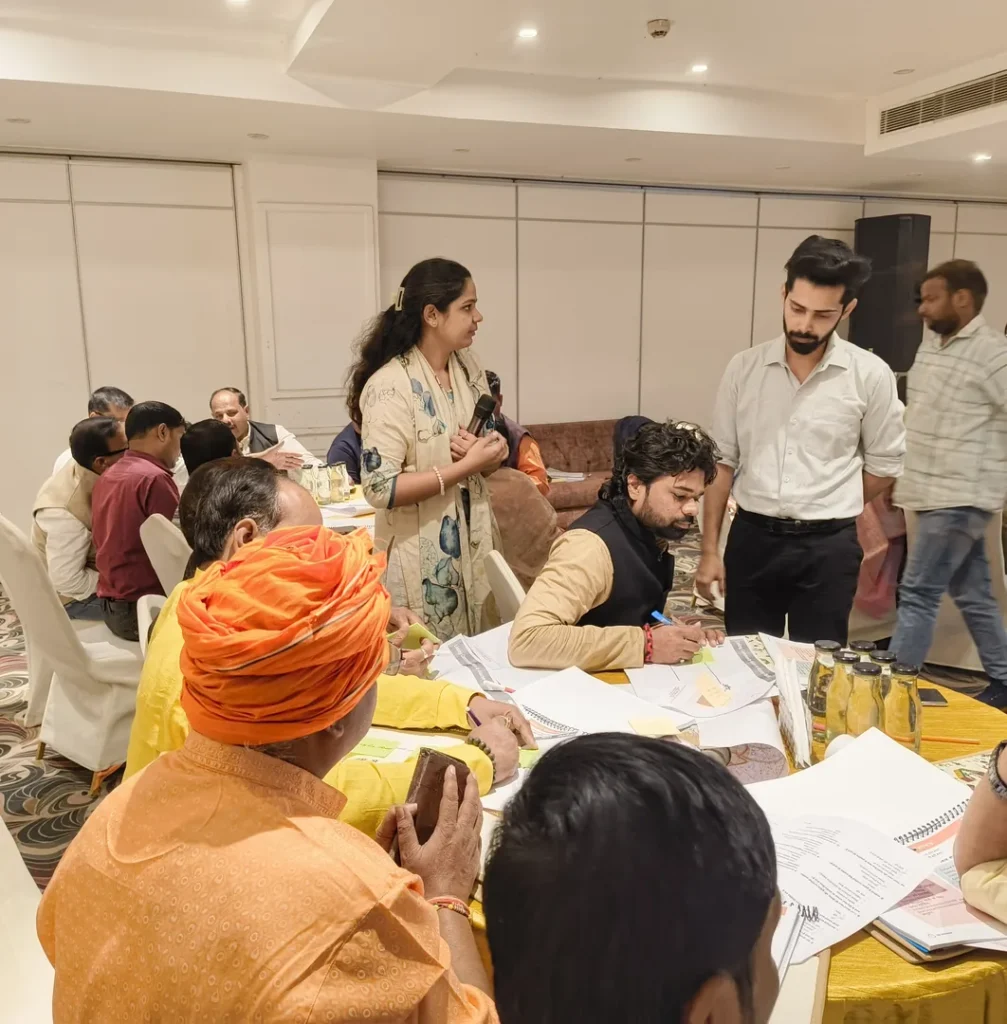
UDRI led one of Mumbai's largest citizen engagement initiatives for Development Plan 2034, organising stakeholder consultations, workshops, public lectures, and digital participation through Mumbai DP 24SEVEN to strengthen public involvement in the planning process.
2016
Re-inventing Dharavi
UDRI organised Re-inventing Dharavi, an international ideas competition exploring inclusive alternatives for Dharavi's future. The competition proposed non-speculative redevelopment models and innovative live-work housing typologies that preserved Dharavi's unique industrial urbanism.
2016
Launch of the Login Mumbai Platform
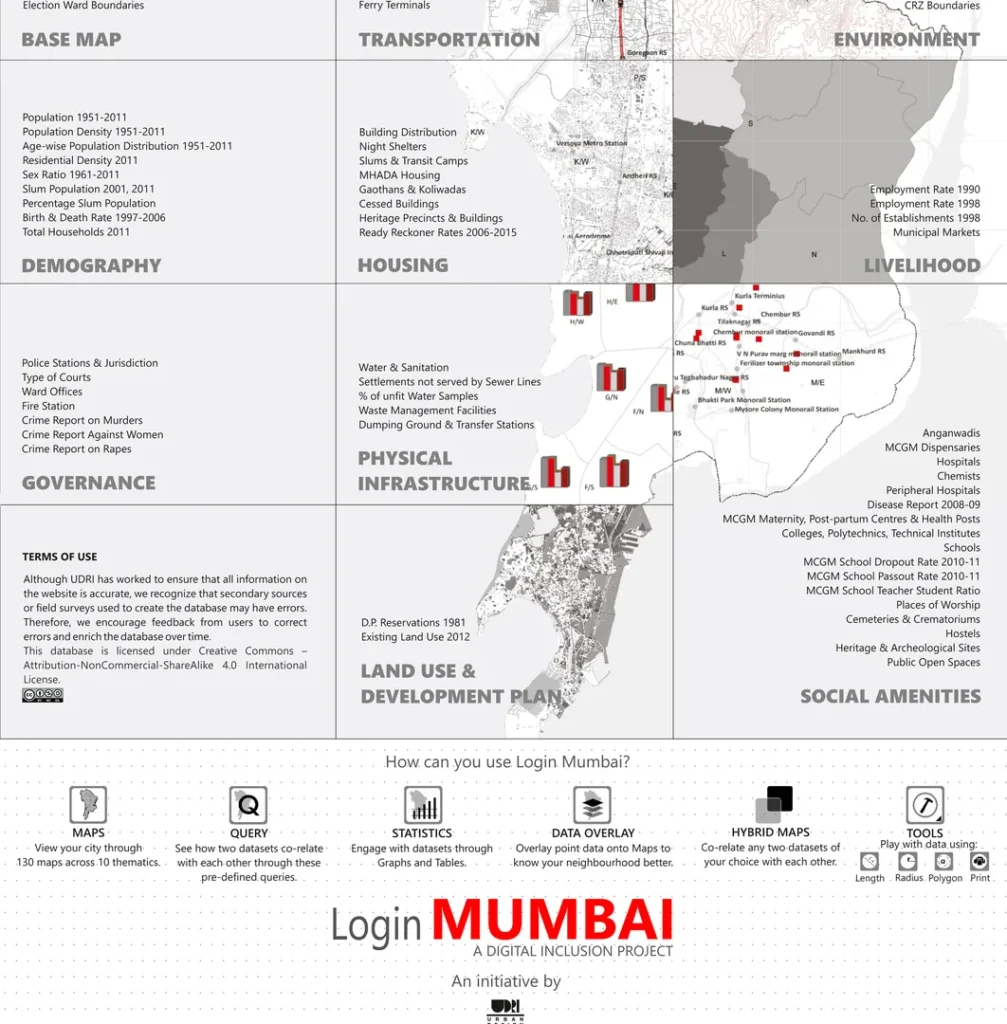
UDRI developed the Login Mumbai platform as part of its Digital Inclusion initiative to consolidate spatial data from government agencies, planning authorities, municipal bodies, and civil society organisations, making urban information more accessible to citizens and researchers.
2017
Research and Resource Center (RRC) Established
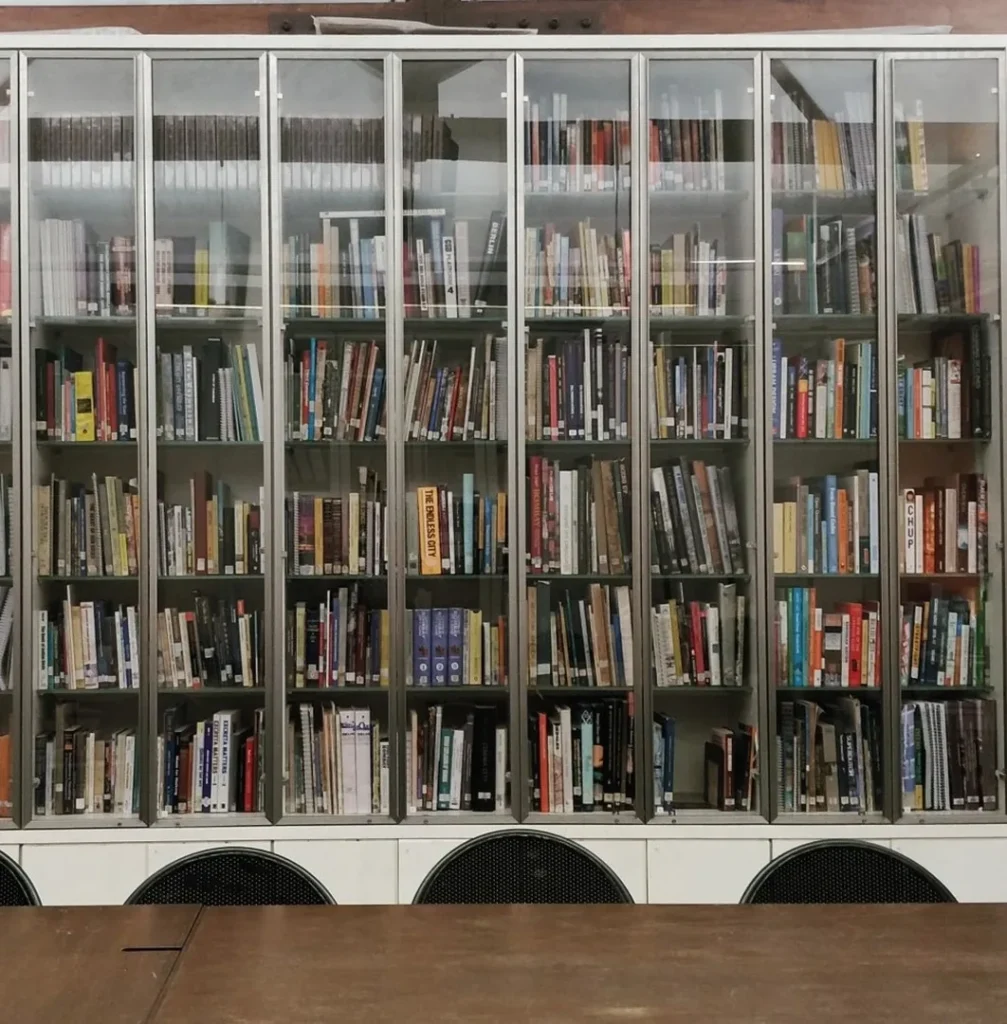
UDRI expanded its archives and established a dedicated Research and Resource Centre at Kala Ghoda, creating a hub for urban research, documentation, and public access to planning and heritage resources.
2017–2021
Empowering Indigenous Communities
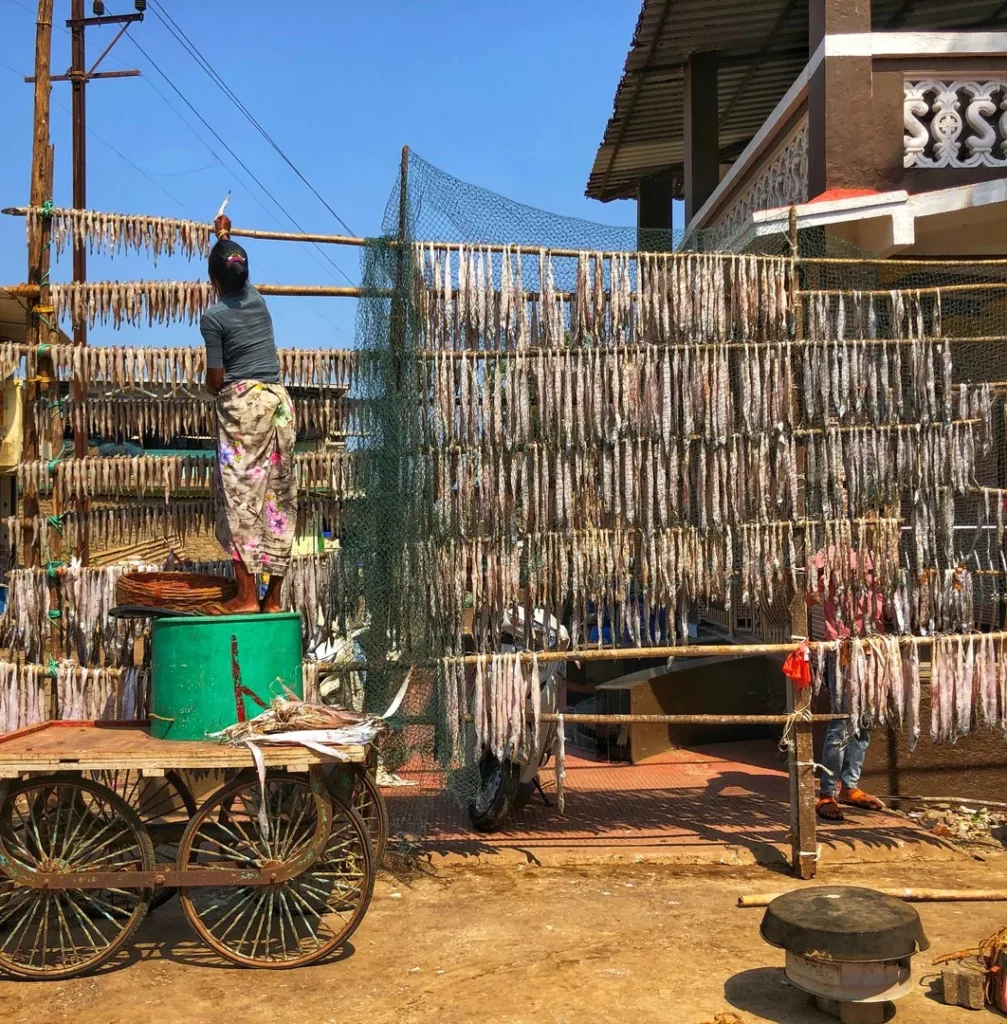
UDRI worked with Koliwadas, gaothans, and adivasipadas across the Mumbai Metropolitan Region on settlement mapping, CRZ inclusion, livelihood protection, and community infrastructure planning. The initiative supported the demarcation of over 40 Koliwadas in Mumbai.
2018
UNESCO World Heritage Recognition
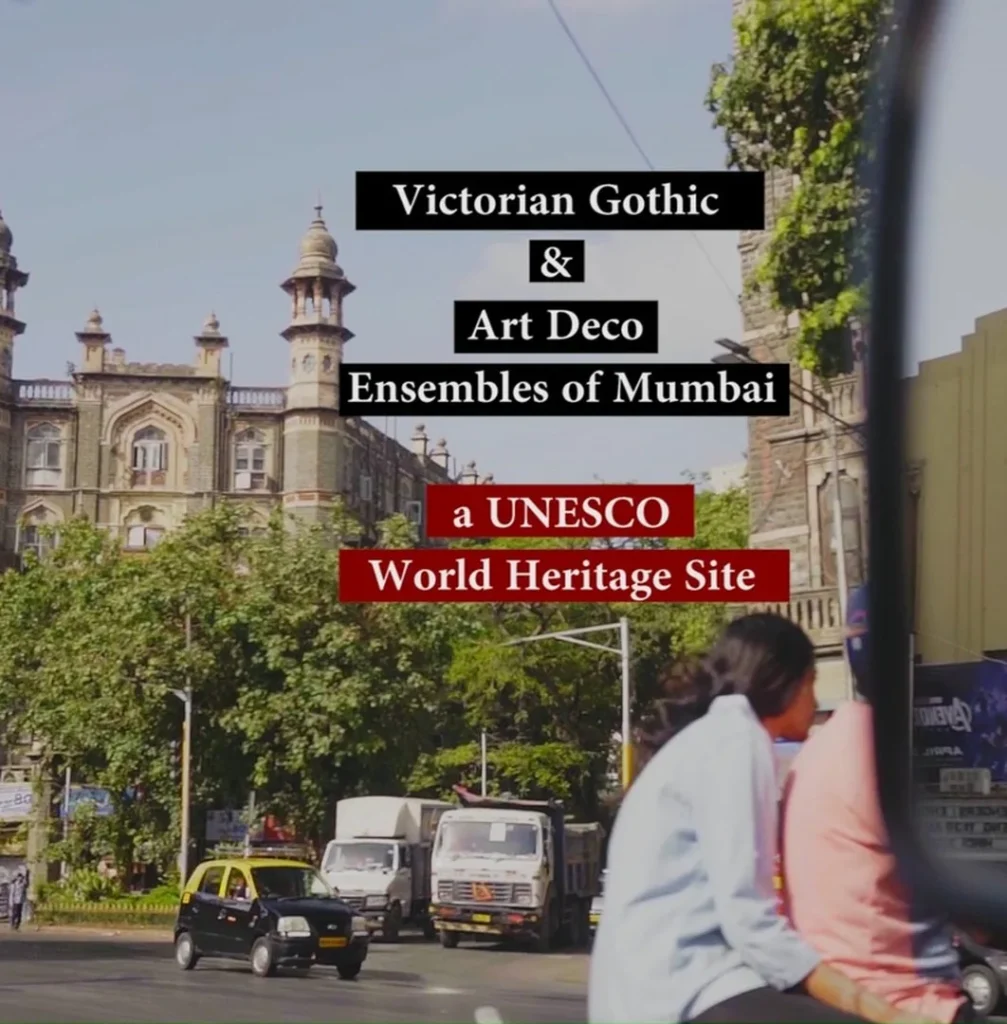
UDRI actively supported and contributed in the nomination dossier for Mumbai's Victorian Gothic and Art Deco Ensembles, contributing to their inscription as a UNESCO World Heritage Site in 2018. Following the recognition, UDRI designed and implemented a citywide multilingual heritage signage system.
2023-present
Developed UDRI’s Spatial Planning Index
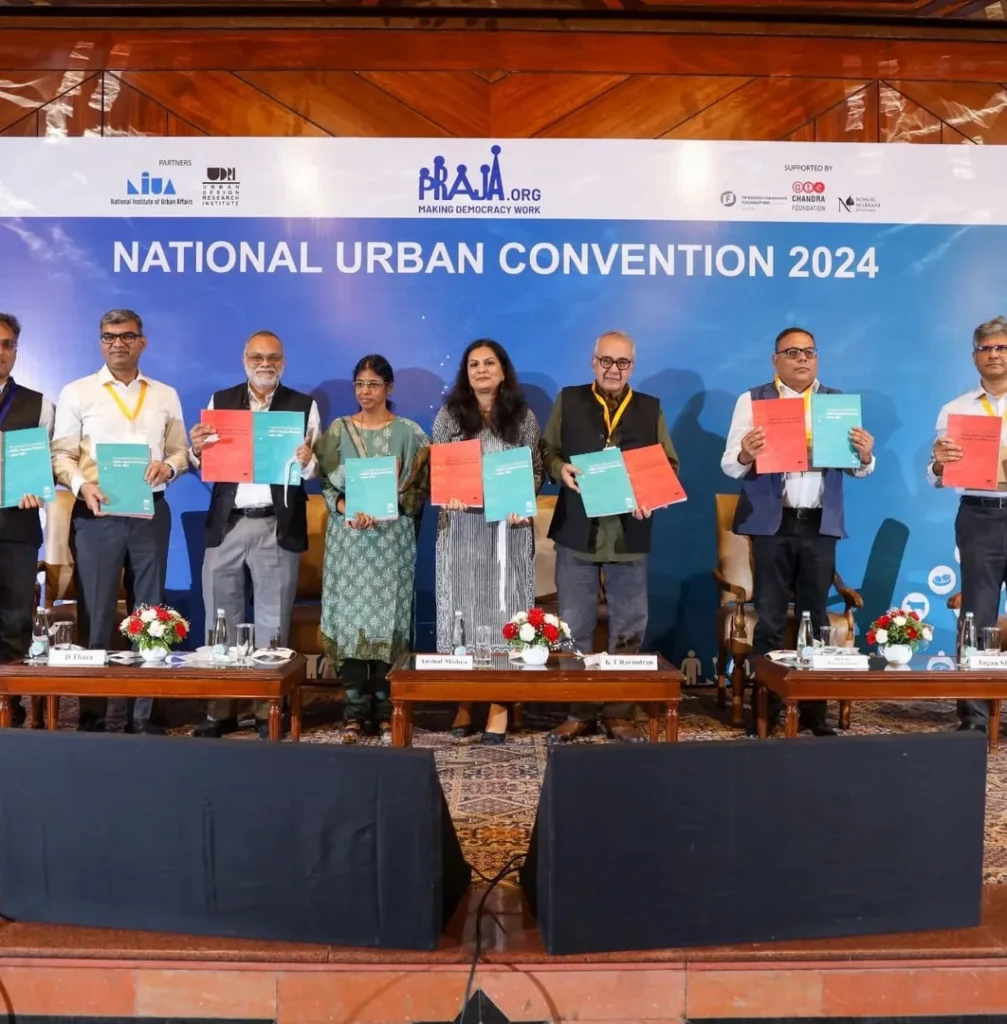
Undertook a national-level spatial planning research initiative covering 25 cities across India. Developed and published UDRI’s Spatial Planning Index in New Delhi to evaluate planning systems, governance and implementation capacities across Indian cities.
2025
Member of the MoHUA Committee on Urban–Rural Continuum
Following the launch of its national research on spatial planning, UDRI was invited by the Ministry of Housing and Urban Affairs (MoHUA), Government of India, to join the committee shaping the roadmap for planning and governance of India's transitional urban areas.
2026
Presented Open Space Management Strategy for Mumbai
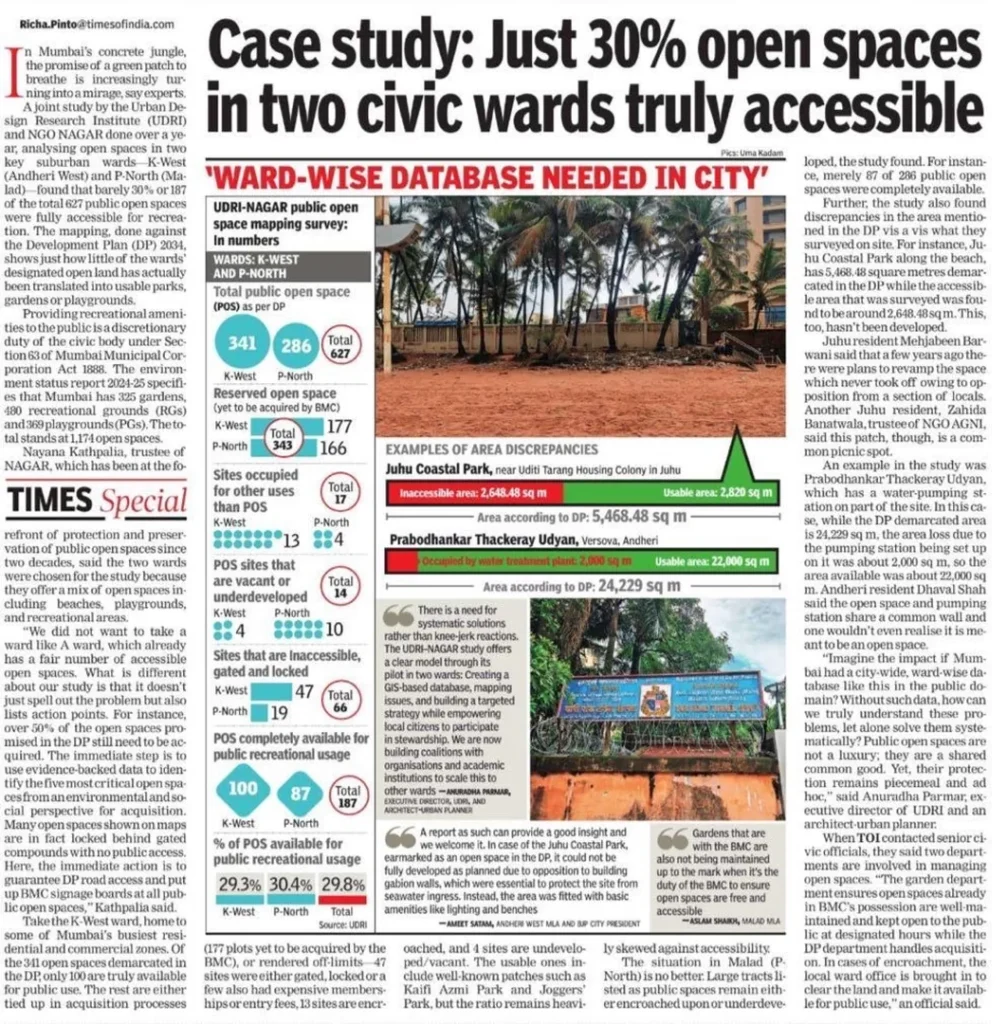
In partnership with NAGAR, UDRI launched a citywide initiative to map and digitise Mumbai's public open spaces. The project developed tools to strengthen public monitoring, open space governance, and citizen participation.
Today
Platform for Urban Futures
UDRI continues to advance urban governance, spatial planning, heritage conservation, public participation, and regional research, bridging policy, design, and civic action to shape more inclusive and sustainable cities.
Work on Change That Matters.
Join a multidisciplinary team shaping how cities are researched, understood, and improved—through design, policy, and action.