Refurbishment and Upgradation of MG Road, Fort, Mumbai
Transforming Historic Streets Through Heritage Sensitive Urban Design
MG Road is one of the most prominent streets within Mumbai's historic Fort precinct, connecting important heritage landmarks, public institutions, and commercial areas. As part of its long standing Fort Management Plan, UDRI developed a pilot streetscape improvement project to enhance the pedestrian experience while preserving the area's historic character. Through heritage sensitive urban design interventions, including footpath improvements, streamlined public transport infrastructure, organised vending, and standardised street furniture, the project demonstrates how thoughtful street design can improve accessibility, strengthen the public realm, and serve as a model for upgrading heritage streets across Mumbai.
Refurbishment and Upgradation of MG Road, Fort, Mumbai
As a part of the Fort Management Plan, UDRI has been promoting urban design interventions to facilitate ease of pedestrian movement, adequate public transport infrastructure, conservation of heritage, access to public spaces, among other interventions in the Fort area.
UDRI has been working with the Additional Municipal Commissioner (AMC), Western Suburbs, and with the Municipal Commissioner to improve the visibility of heritage buildings in the Fort Precinct as part of Heritage Precinct Projects. Following a series of onsite visits, documentation of the existing situation and meetings with stakeholders, it developed a comprehensive proposal for the stretch of M G Road from Wellington Fountain (South) to the Flora Fountain (North), which was agreed upon as the pilot street through the following and urban design interventions:
- Footpath re-engineering
- Minimal bus stop and bus pole design
- Vendor pitch designation
- Appropriate standardised street furniture
UDRI conducted a pilot project and coordinated with various government departments, facilitating meetings and presentations to get the requisite No Objection Certificate (NOC) and assisting the MCGM on the onsite execution of work. In a joint meeting held on 10th January 2020, the Municipal Commissioner, with all the concerned departments of the MCGM, chose UDRI as an advisor to provide support for the execution of the same urban design principles in other areas across the city. On directions of Hon. MC, a Project Management Unit (PMU), was set up under the chairmanship of the Joint Municipal Commissioner (Vigilance) to facilitate the implementation of urban design interventions.
Activities Conducted:
To assist the MCGM in the implementation of the pilot street project, UDRI carried out the following activities:
UDRI worked on visualisations and drawings during April 2020 as the project was in the implementation phase;
Work on the pilot project commenced as soon as construction activity was permitted in the government-mandated lockdown; May 2020;
The MCGM has requested UDRI for a fresh set of drawings for an upcoming patch of the footpath. UDRI has furnished drawings that have been issued for the onsite execution of work for the pedestrianisation of the Fort Precinct Project
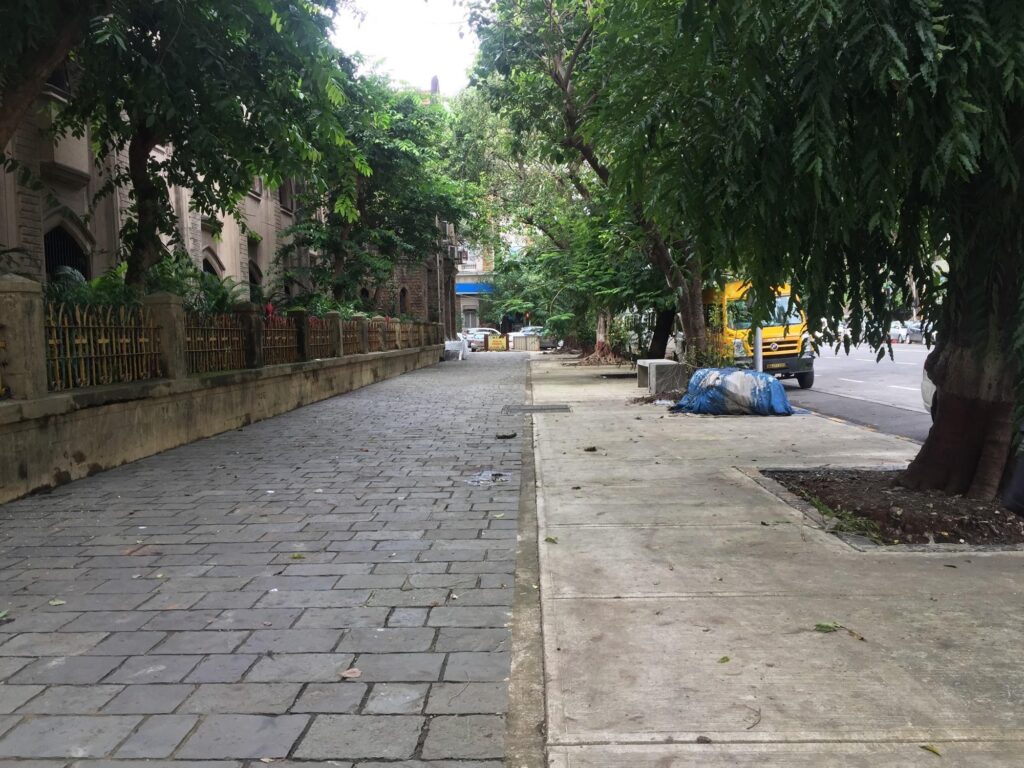
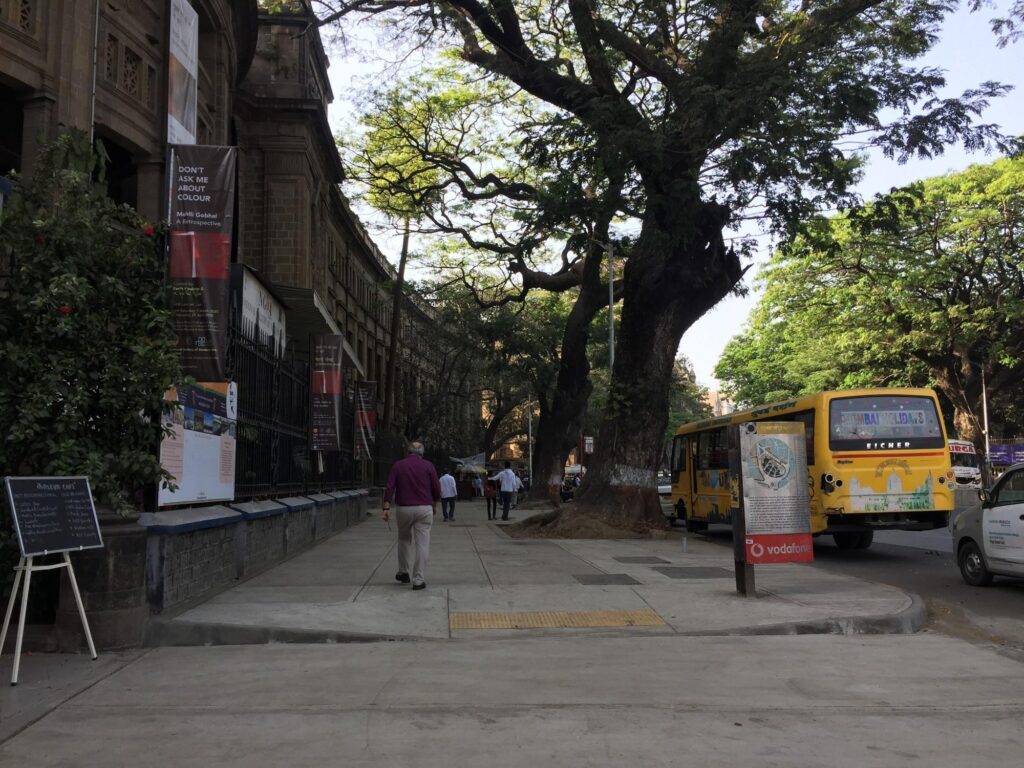
Footpath along Mumbai University Footpath along NGMA
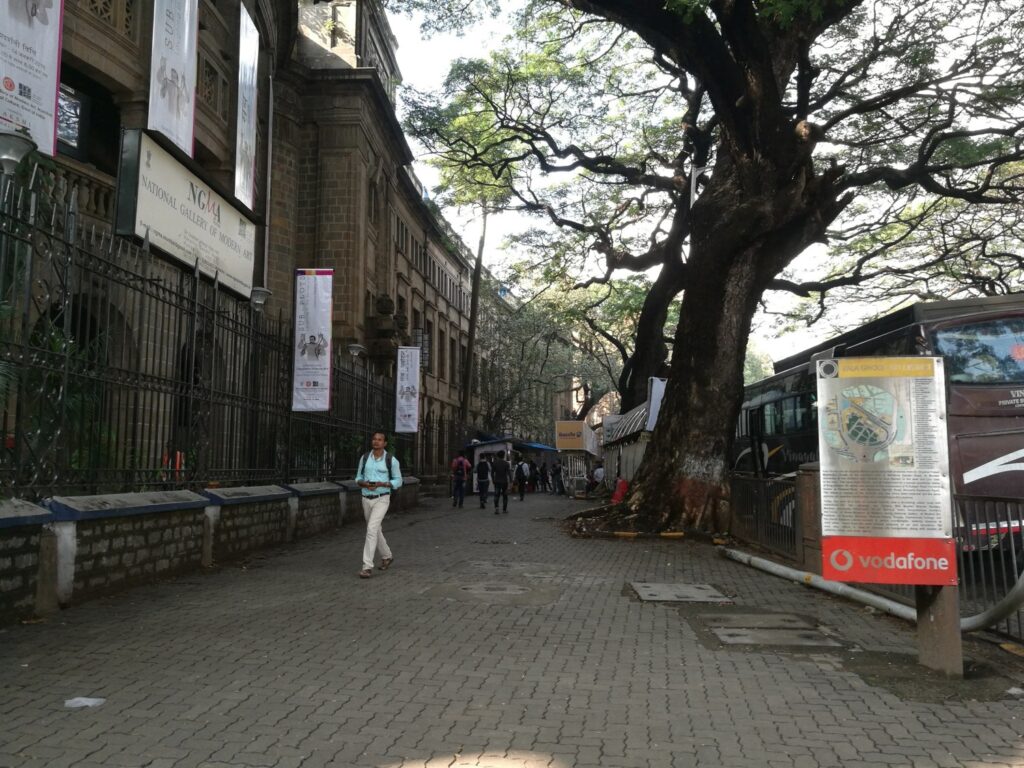
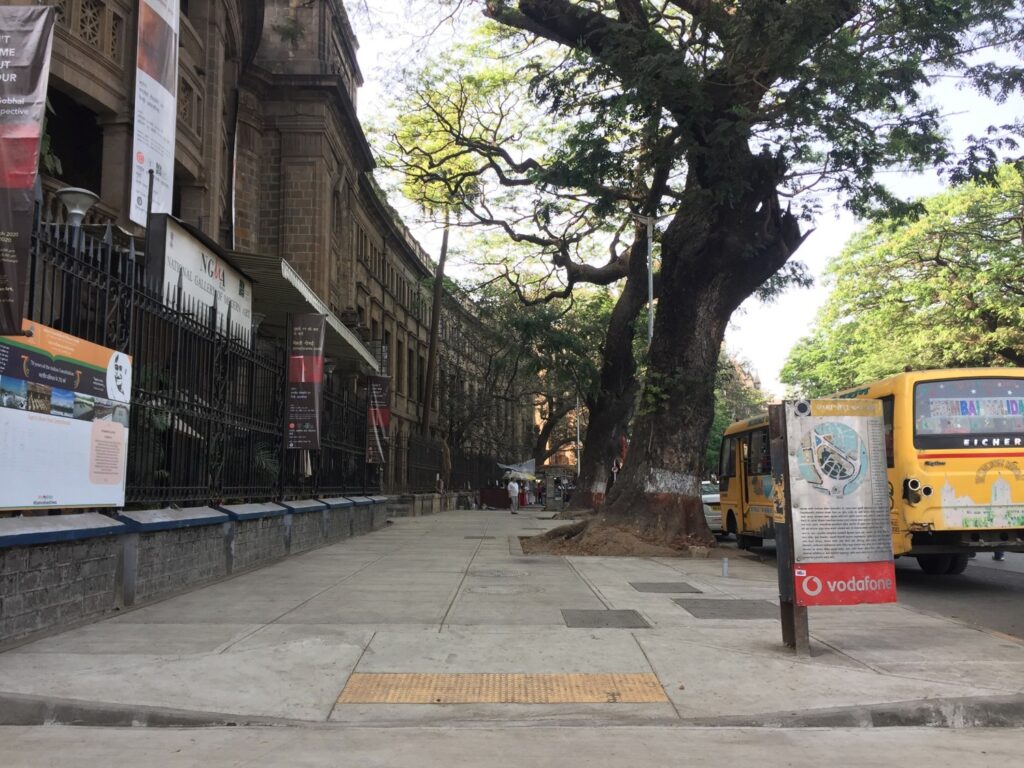
Footpath along NGMA (Before) Footpath along NGMA (After)
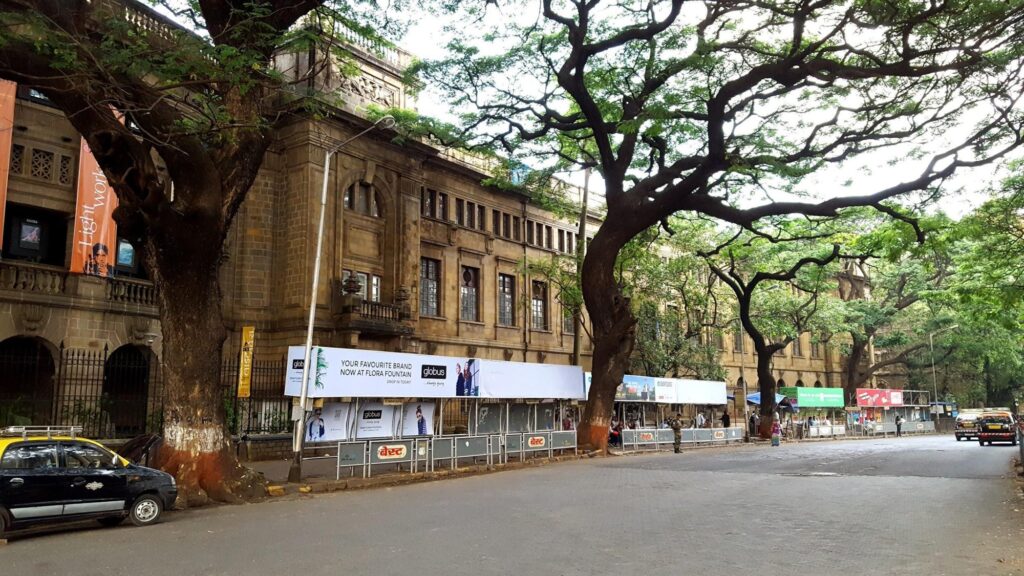
Existing: Bus stops creating a visual clutter
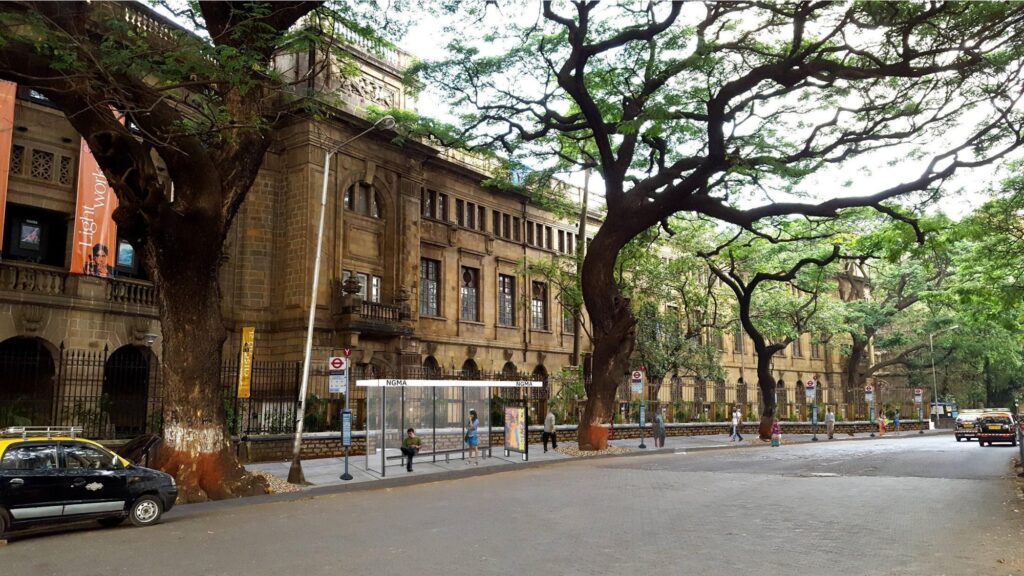
Proposed: Minimal bus stop design
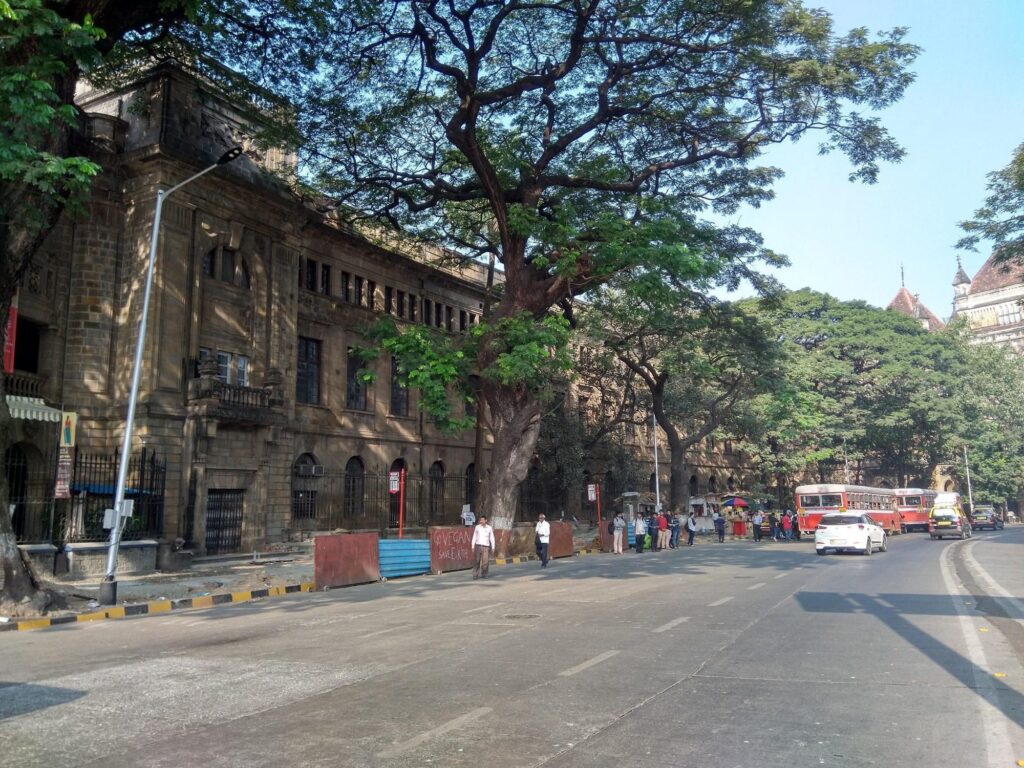
Present: Bus stops dismantled
Vendor Stall Management
The pedestrian walkways and streets in the Fort area precinct have disorganised hawkers selling street food, electronic accessories, clothes, books, and more. Many of these street vendors have limited licensed pitches, which are haphazardly occupied by informal vendors, forcing pedestrians to walk on roads. UDRI is working on guidelines for demarcating vendor pitches and design for standardised vendor stalls to provide a clear walking way for pedestrians.
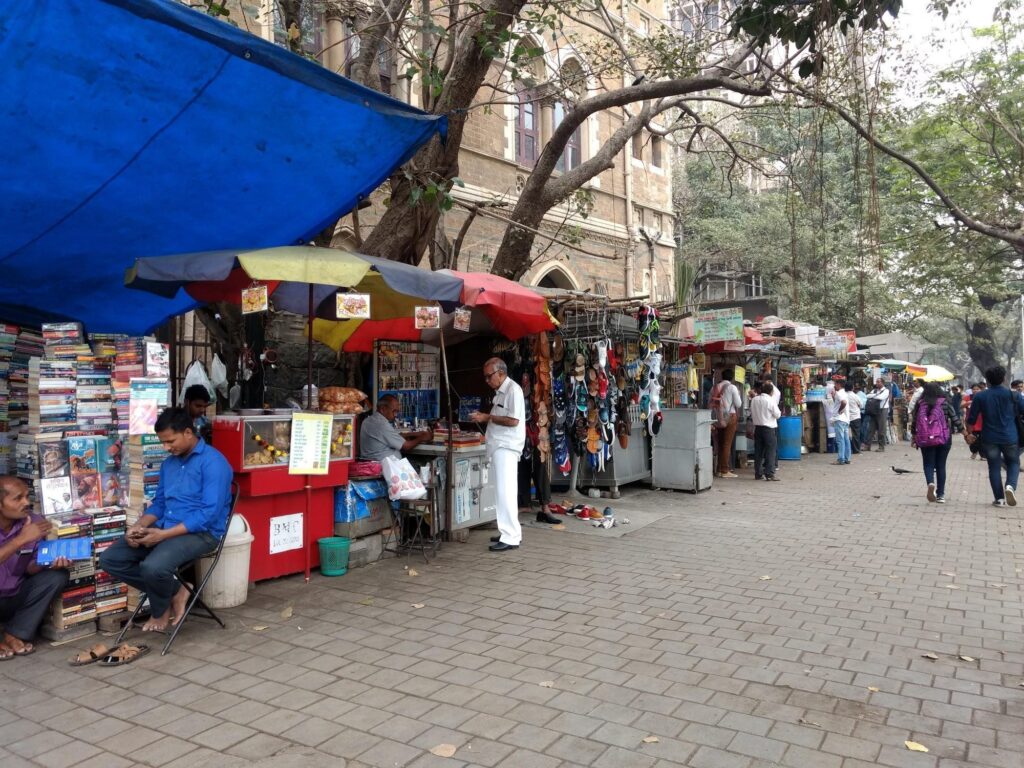
Before: Footpaths occupied by vendors obstructing the pedestrian walkway
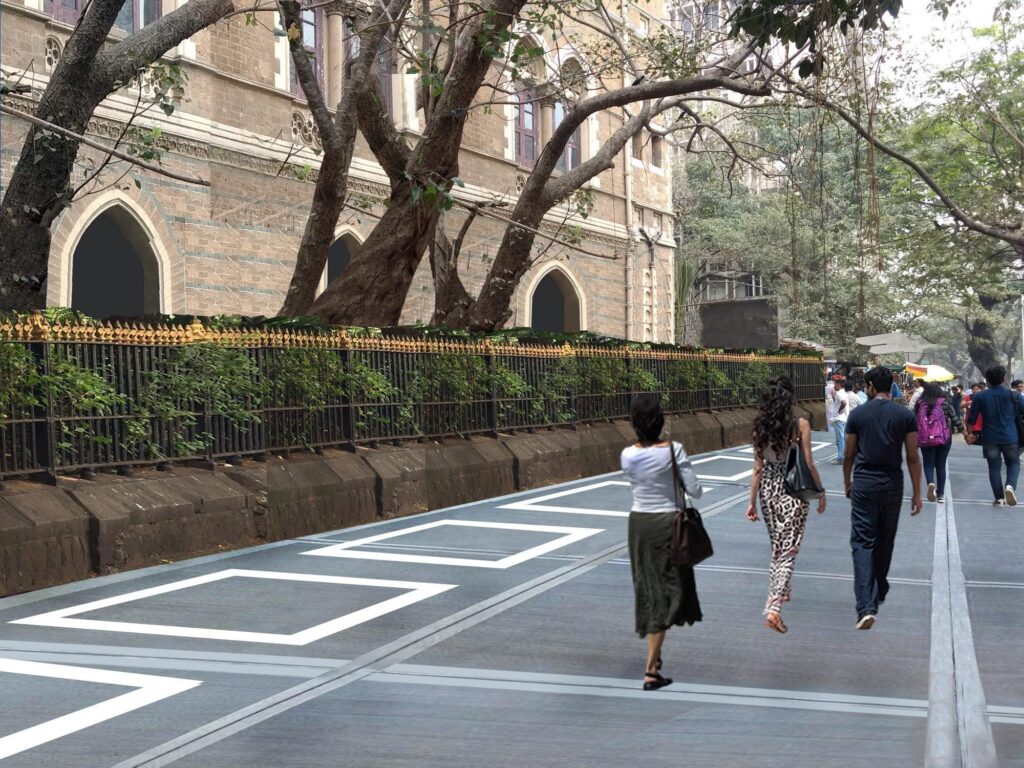
Visualisation: Demarcation of vendor pitches enabling unobstructed walkway for pedestrians
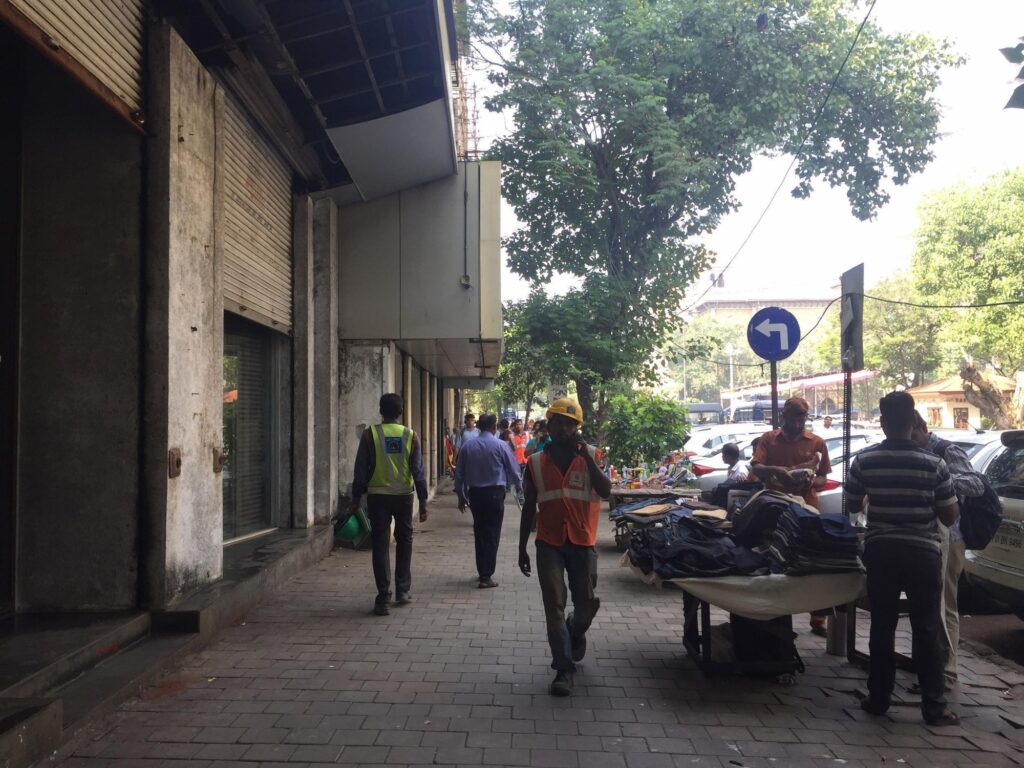
Before: Footpaths occupied by vendors obstructing the pedestrian walkway
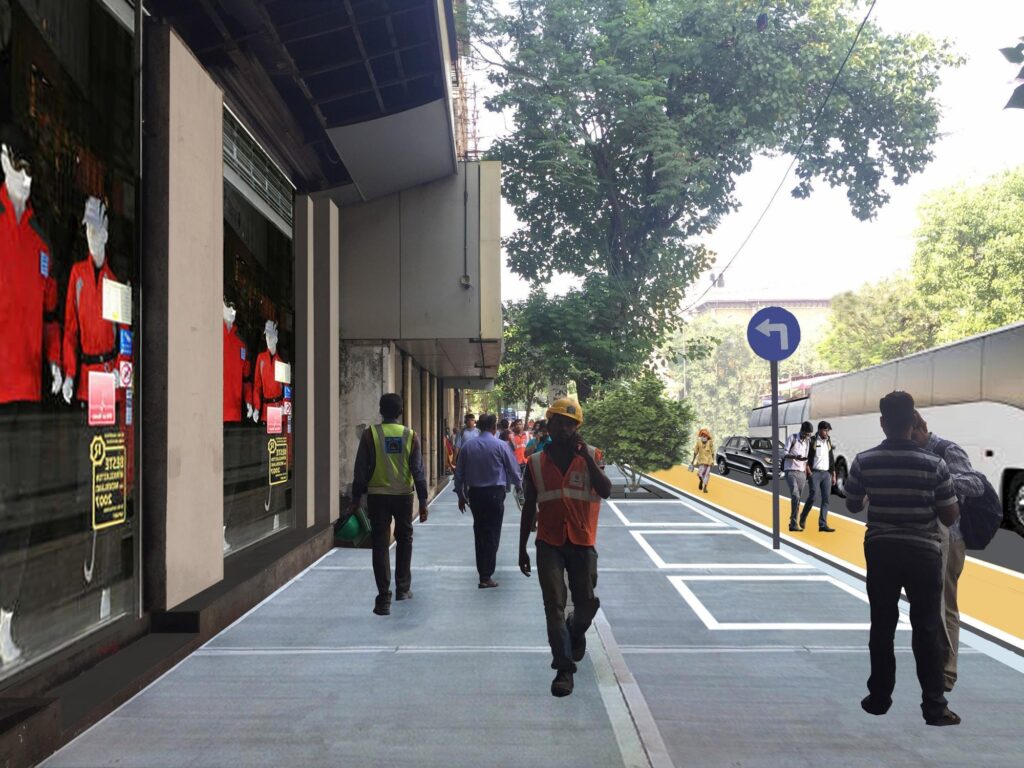
Visualisation: Demarcation of vendor pitches enabling unobstructed walkway for pedestrians
BEST Chowky Redesign
UDRI proposed the relocation and redesign of the BEST chowky that had been obstructing the view of the CSMVS Museum building to improve the visibility of Heritage sites. UDRI followed up on the same and obtained an in-principle approval for relocation in a meeting with the Joint MC and Assistant General Manager, BEST. UDRI is actively working on the BEST chowky design.
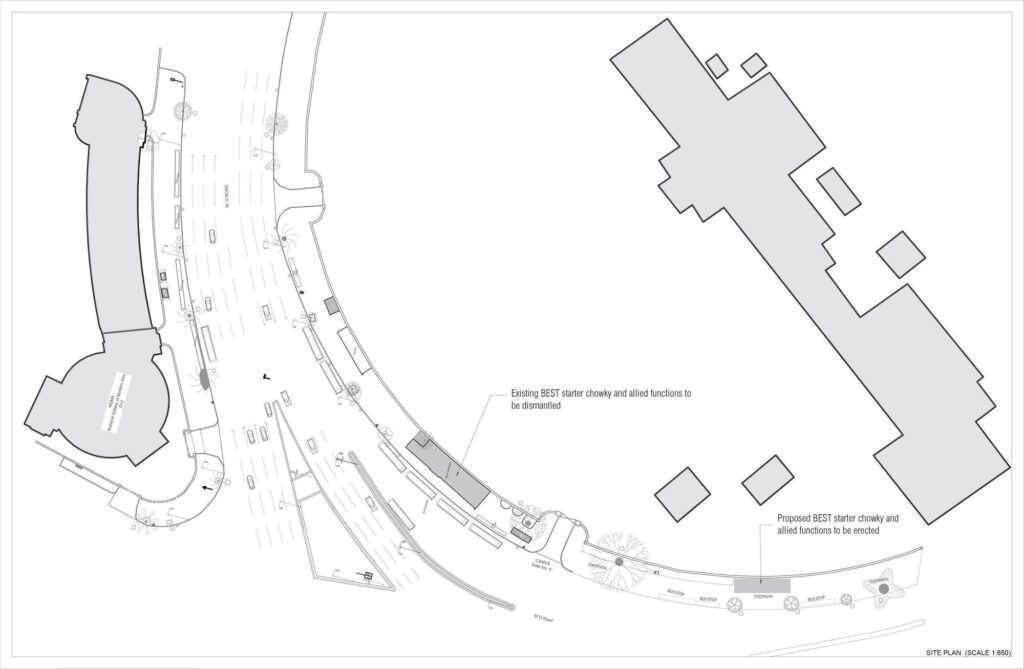
BEST Chowky Relocation Plan
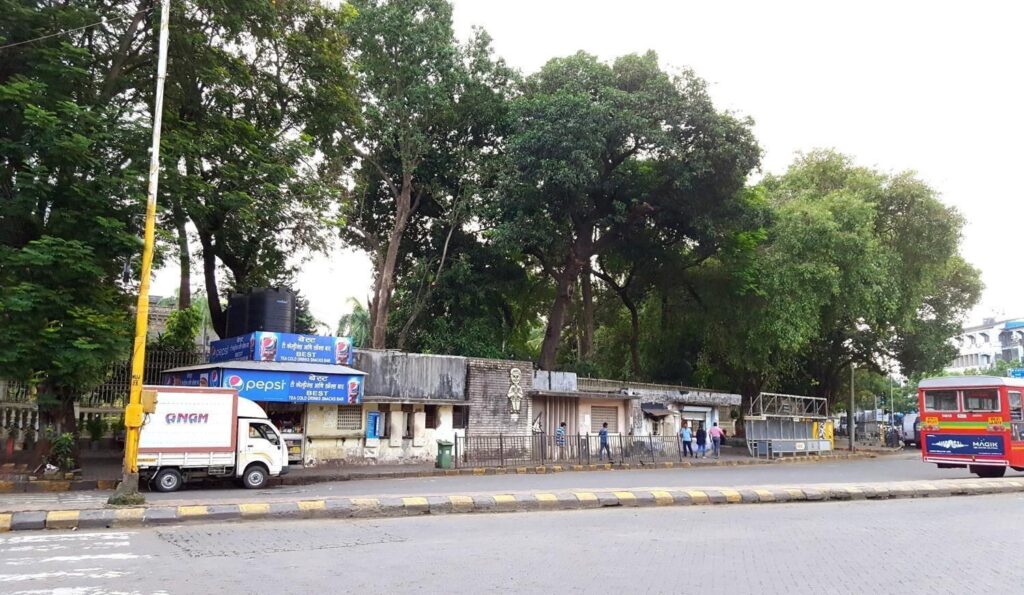
Existing: BEST chowky obstructing the view of the CSMVS Museum building
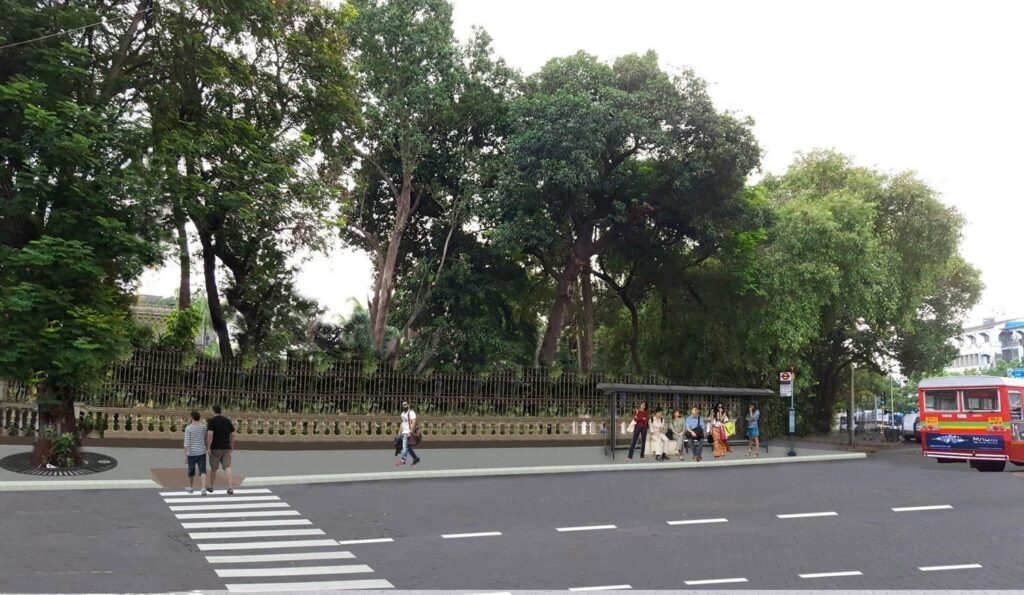
Visualisation: Relocation of BEST chowky will improve the visibility of the CSMVS Museum building
Illumination of Heritage Buildings
UDRI proposed guidelines for sensitive illumination in the Fort precinct to enhance the appearance of Heritage Sites here at night. More than 300 Heritage sites in the Fort Precinct could be considered for illumination to celebrate the unique character of the Precinct. UDRI submitted a letter to the Heritage Cell with a list of Heritage sites for the same along with information on the buildings’ Heritage listing, Grade and ownership. MCGM undertook UDRI’s suggestion to illuminate the Horniman Circle garden in the Fort area to improve the usability of public spaces.
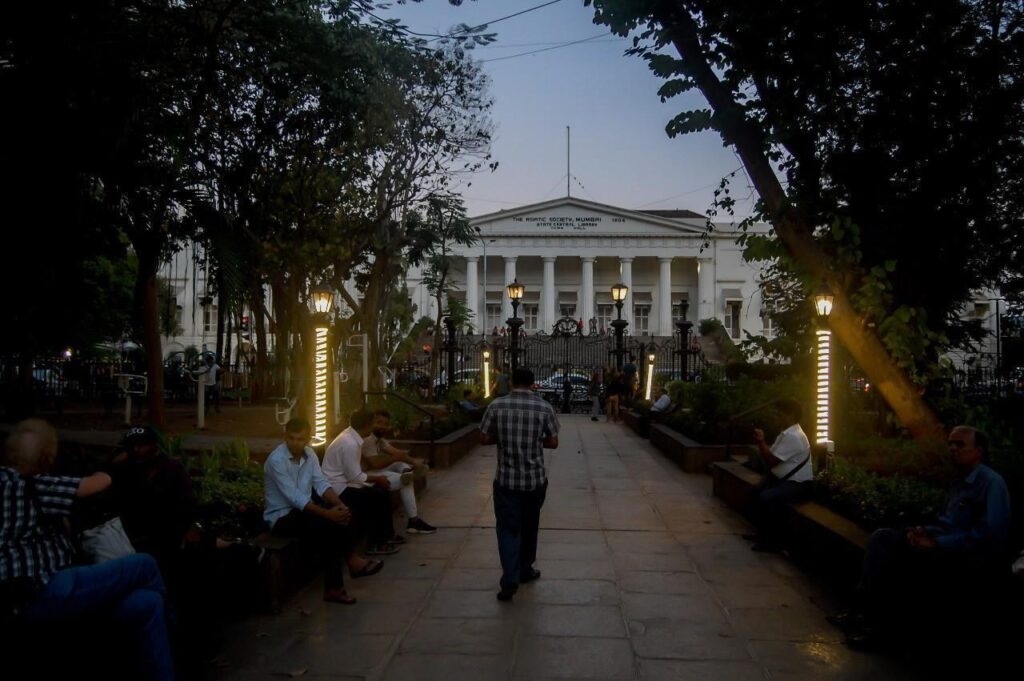
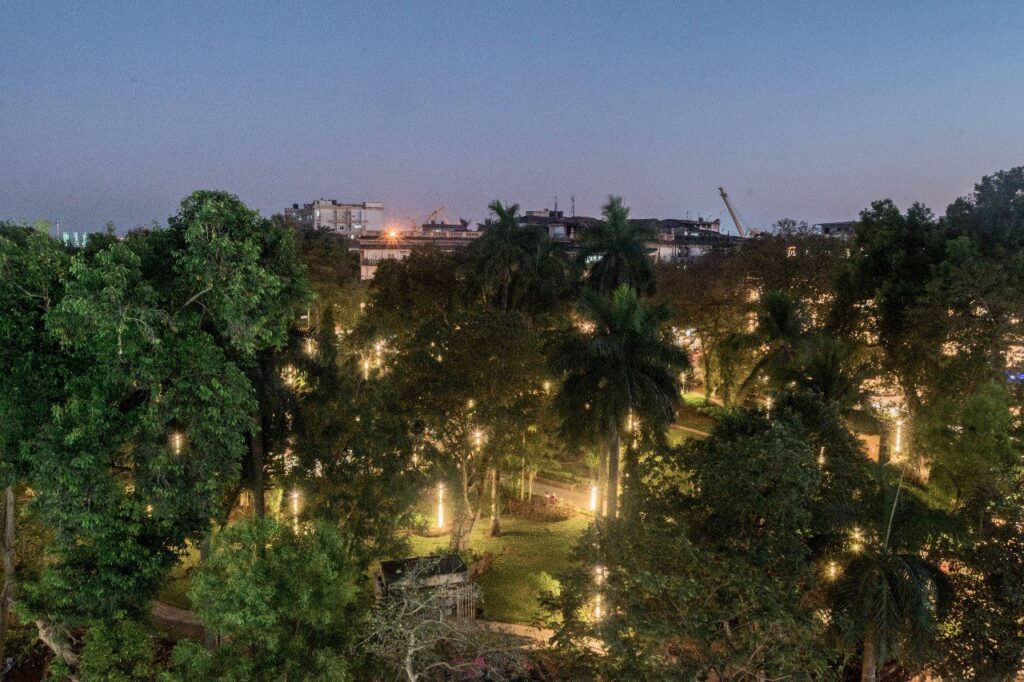
Illumination of the Horniman Circle garden, Fort
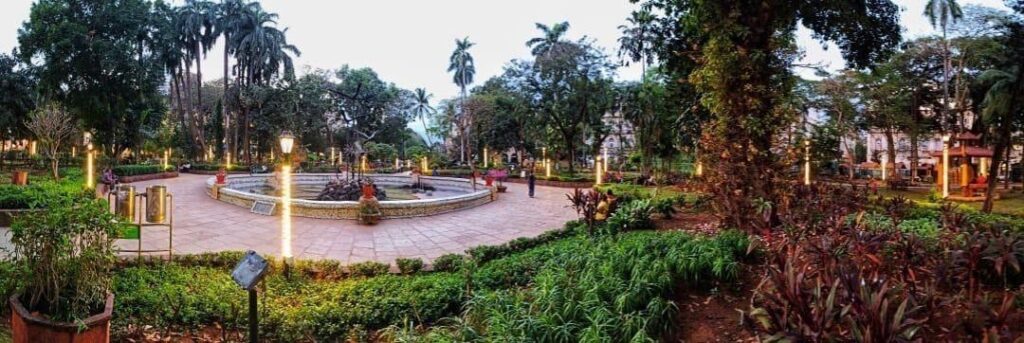
Illumination of the Horniman Circle garden, Fort
Street Safety - Footpath Illumination
Footpath illumination plays a vital role in ensuring safety as people feel unsafe walking in the dark. UDRI proposed upgrading and modifying the existing streetlight poles, as per site conditions, to enable adequate illumination onto the footpaths that have inadequate lighting and feel unsafe in the dark. In November and December 2019, UDRI conducted site visits for mapping street light poles to be modified to ensure adequate illumination onto the footpaths. UDRI prepared an inventory of the existing streetlight poles and suggested site-specific modifications and a list of identified street light poles for further action to the Heritage Cell and the Joint MC. The MCGM approved UDRI’s suggestions, after which implementation began on the pilot street.
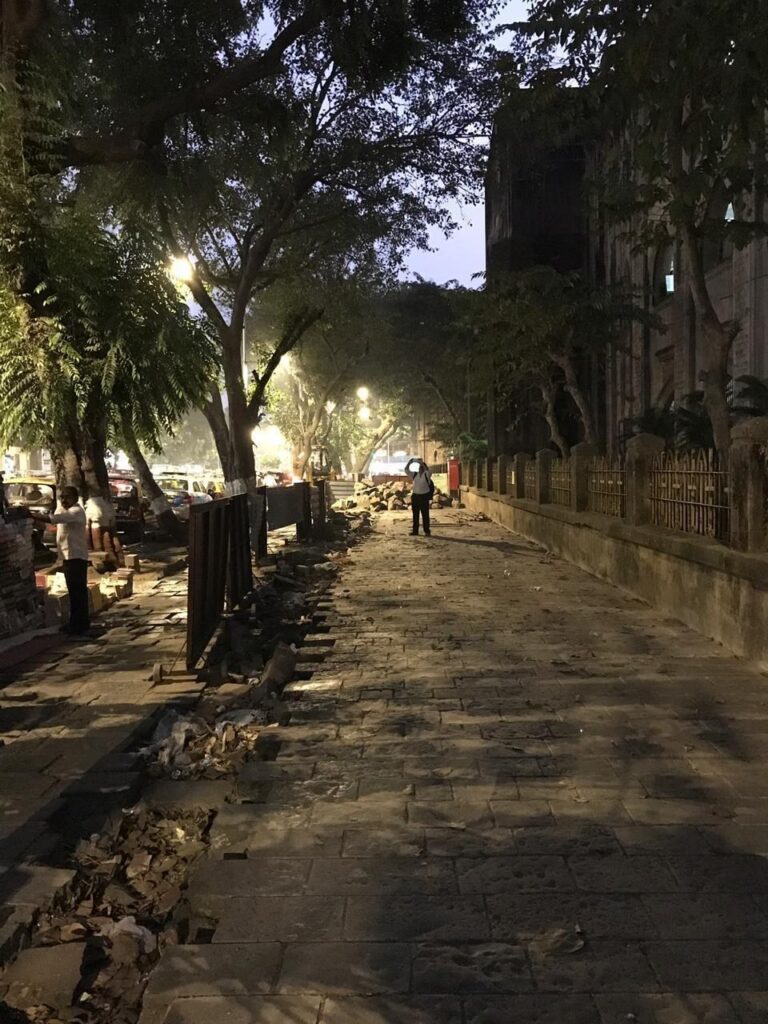
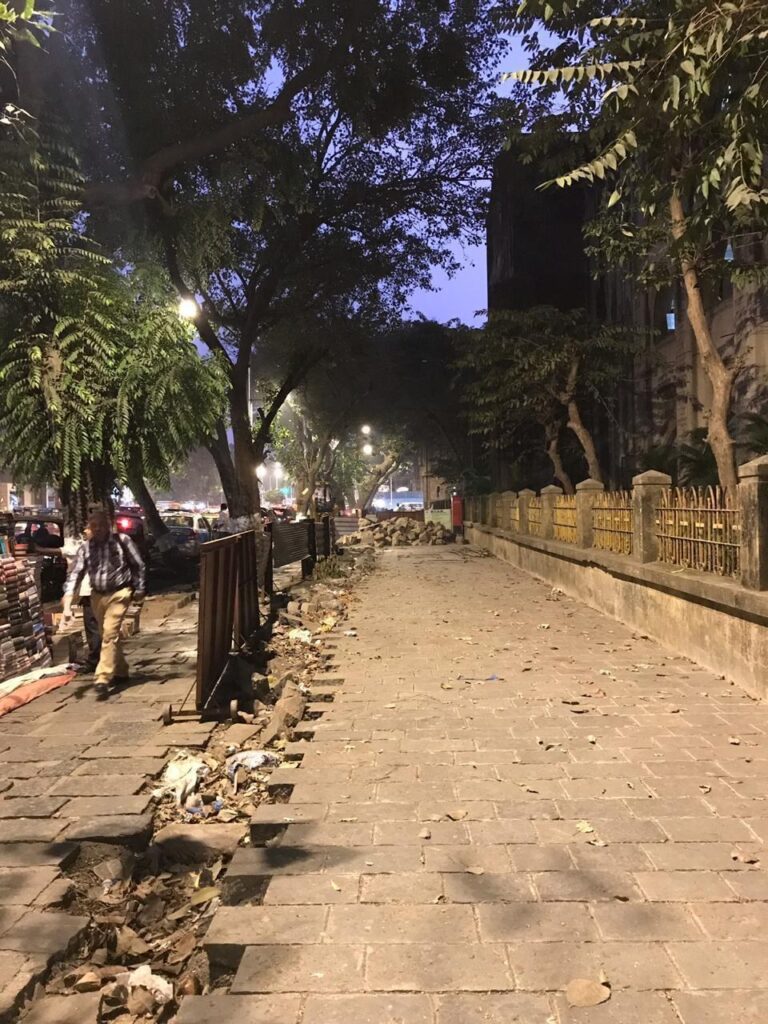
Illumination before street light modification Illumination after street light modification
Re-organisation and Modification of Buildings and Shop Signages
As part of UDRI’s work in the Fort Heritage Precinct, it was observed that the signages used for shops and establishments have either been placed in an ad hoc manner or are oversized, covering the entire façade of the heritage buildings. In most cases, an excessive number of signages have led to visual clutter, thus becoming an eyesore for the streetscape of the city. The Fort area in Mumbai, being a Heritage Precinct, has unique historical and architectural value, and it is imperative to implement uniform, standardised signages here. UDRI proposed signage guidelines on the principles of uniformity of sizes, complementary ability with the building and the locality, placement to avoid obscuring any architectural feature or element, and retention of the original colour codes of each of the individual establishments.
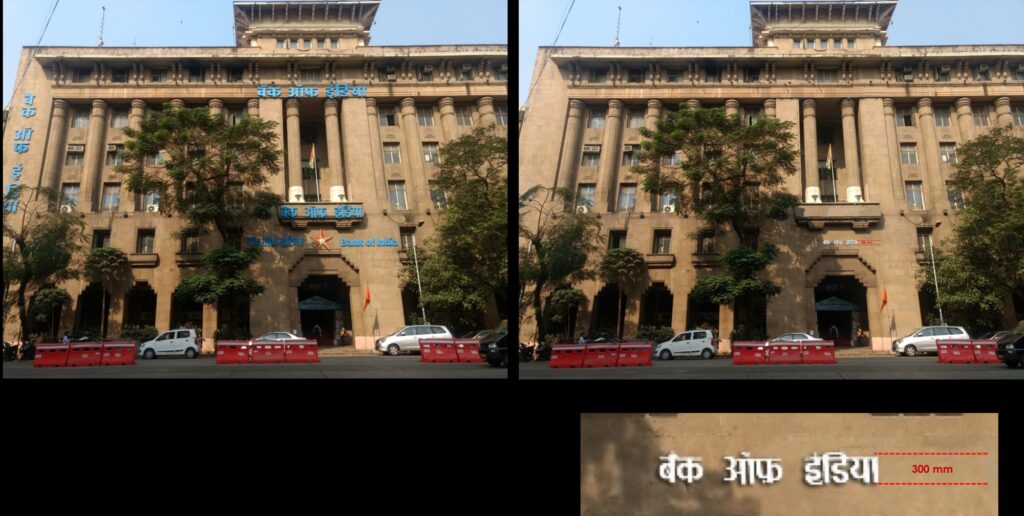
Type 1: Building Name Signage
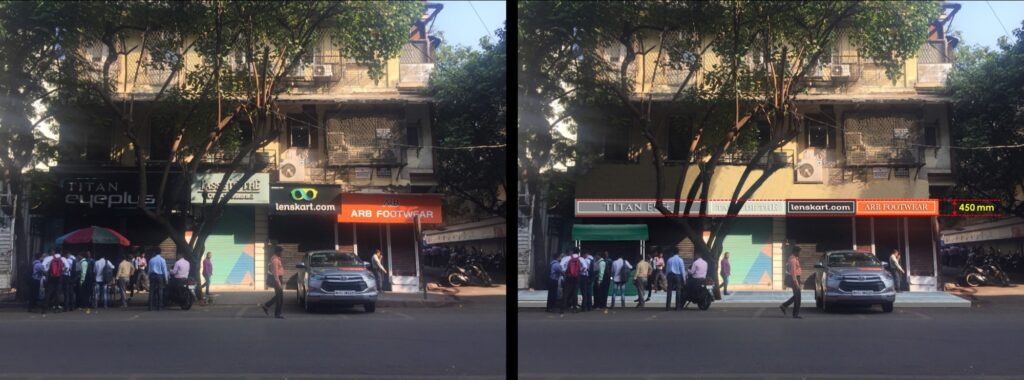
Type 2A: Shop and establishment signage
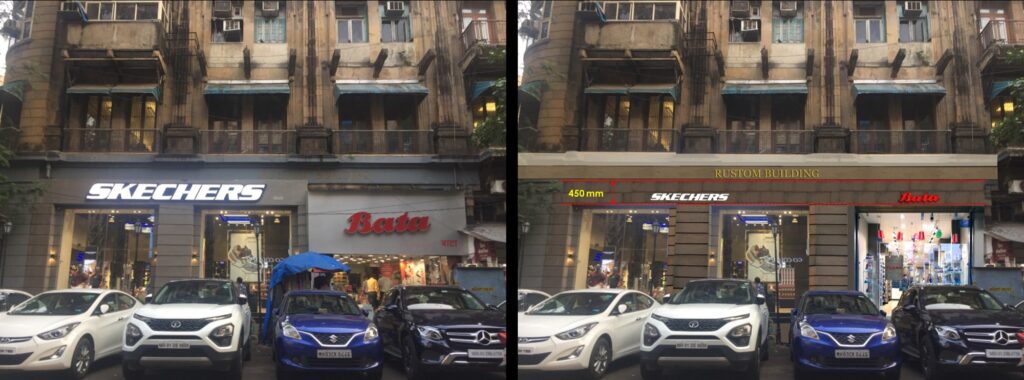
Type 2B: Shop and establishment signages for Heritage buildings
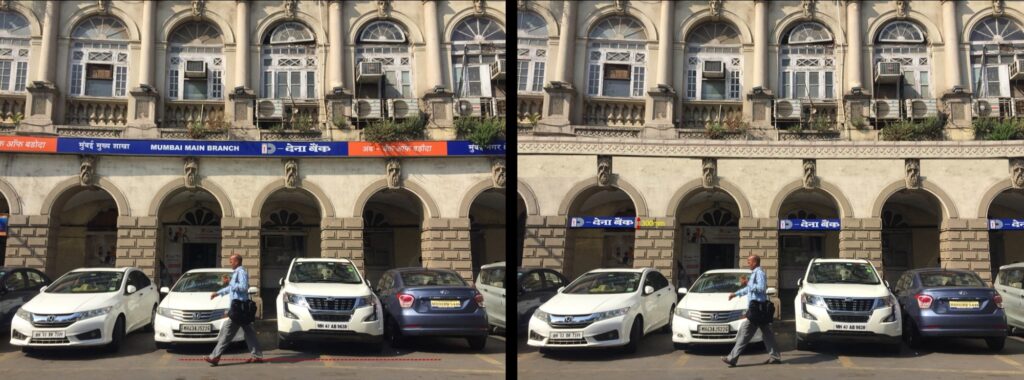
Type 3: Arcade Signage
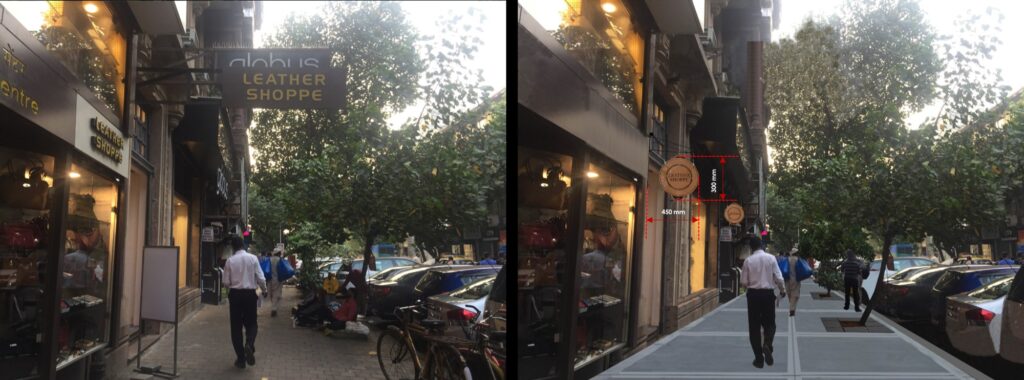
Type 4: Projection / Blade Signage
Signage Plan for Colour Coding of Heritage Districts
UDRI proposed colour-coding of signages in different sub-precincts in the Fort area to emphasise their character. UDRI mapped the existing signages that could be modified to incorporate colour-coded district names, important landmarks or aerial images of the district in November and December 2019.
Related Projects
Reimagining Mumbai's Eastern Waterfront
Unlocking the Potential of Mumbai's Historic Port Lands Through Integrated Urban Regeneration
Digital Inclusion
Making Urban Data Accessible for Better Planning
Refurbishment and Upgradation of MG Road, Fort, Mumbai
Transforming Historic Streets Through Heritage Sensitive Urban Design