Decluttering Streets in Mumbai and Mahabaleshwar
Creating Safer, Clearer, and More Walkable Streets Through Thoughtful Urban Design
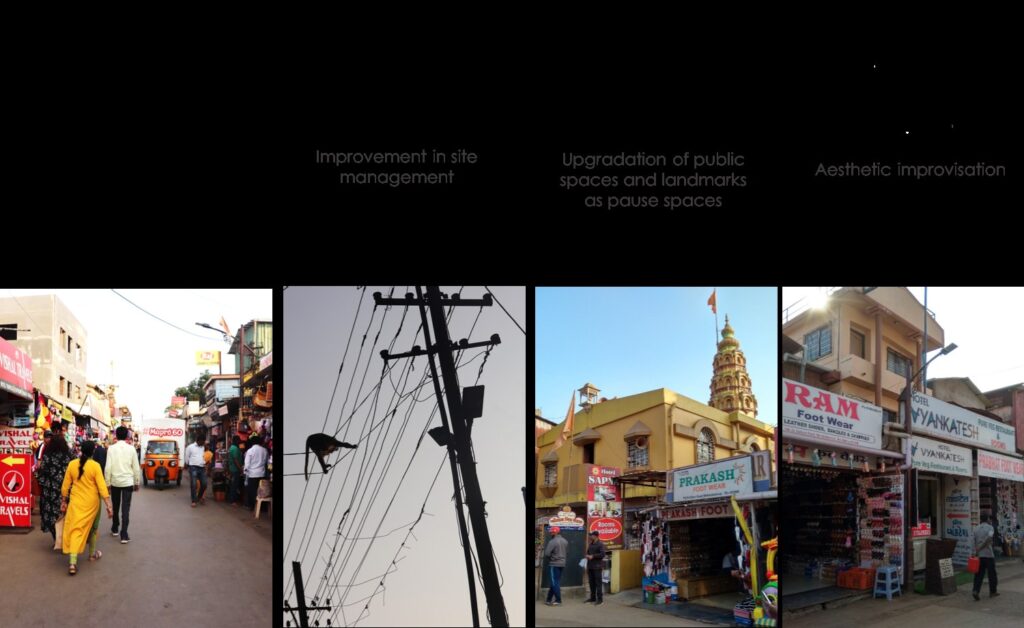
Streets are among a city's most important public spaces, yet they are often overwhelmed by signboards, bollards, overhead utilities, poorly designed footpaths, and unregulated street elements that hinder movement and diminish the urban experience. Building on its work in the Fort Heritage Precinct, the Urban Design Research Institute (UDRI) launched the Decluttering of Streets initiative to improve the quality of Mumbai's streets through practical urban design interventions. Beginning with pilot projects in South Mumbai and later expanding to major arterial roads across the city, the initiative demonstrates how small, coordinated improvements can significantly enhance walkability, safety, accessibility, and the visual character of the public realm.
Decluttering Streets in Mumbai and Mahabaleshwar
Why Street Decluttering Matters
As cities grow, streets often become cluttered with redundant signboards, unnecessary bollards, poorly placed utilities, and fragmented street furniture. These elements create visual confusion, reduce pedestrian safety, obstruct movement, and diminish the character of public spaces.
Improving streets is not simply about aesthetics. Well designed streets support safer pedestrian movement, improve accessibility, strengthen public transport, and create a more organised and inclusive urban environment.
A Pilot for Better Streets
The initiative began with a detailed study of six streets in South Mumbai, with the stretch of M G Road between Flora Fountain and Wellington Fountain selected as the pilot project. UDRI carried out extensive site surveys, documenting the location and condition of signboards, bollards, railings, and other street elements to identify opportunities for rationalisation and improvement. A comprehensive inventory, supported by photographic documentation and site observations, formed the basis for a coordinated redesign of the streetscape.
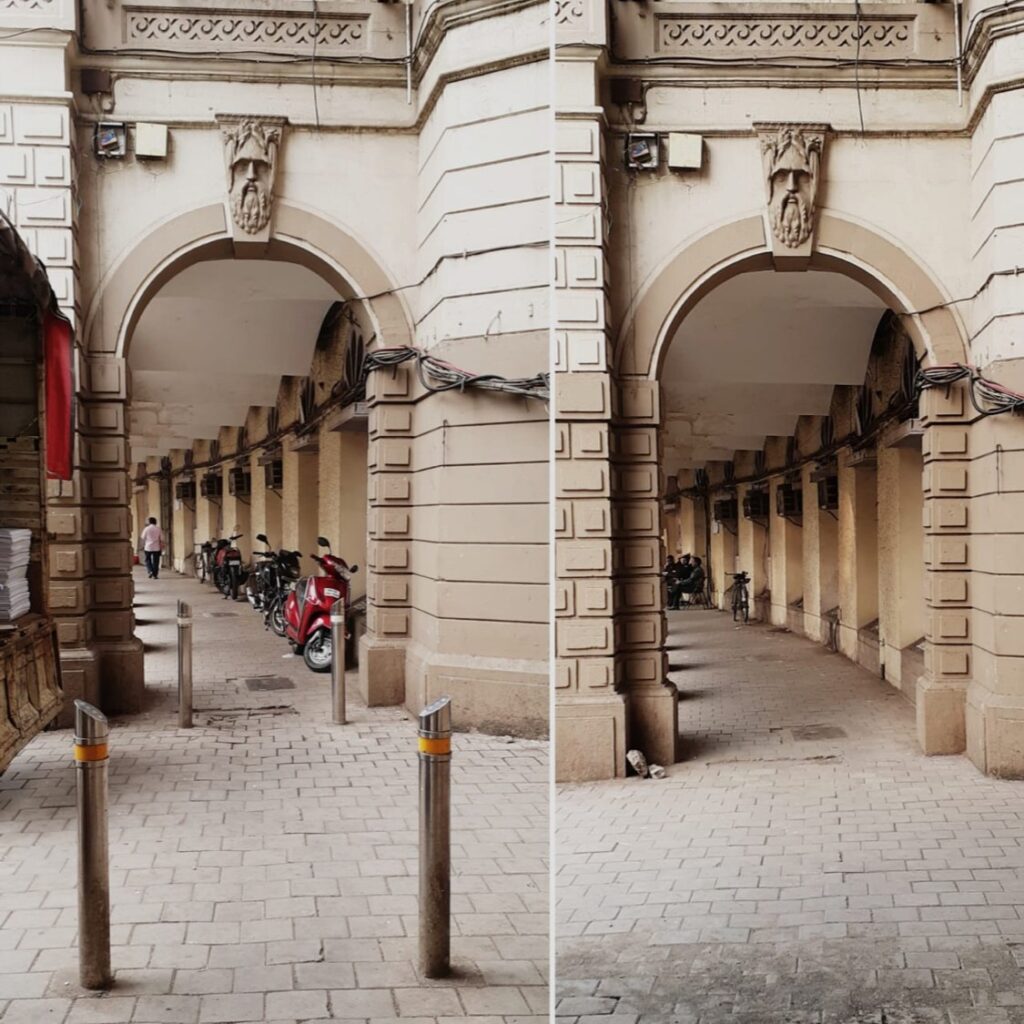
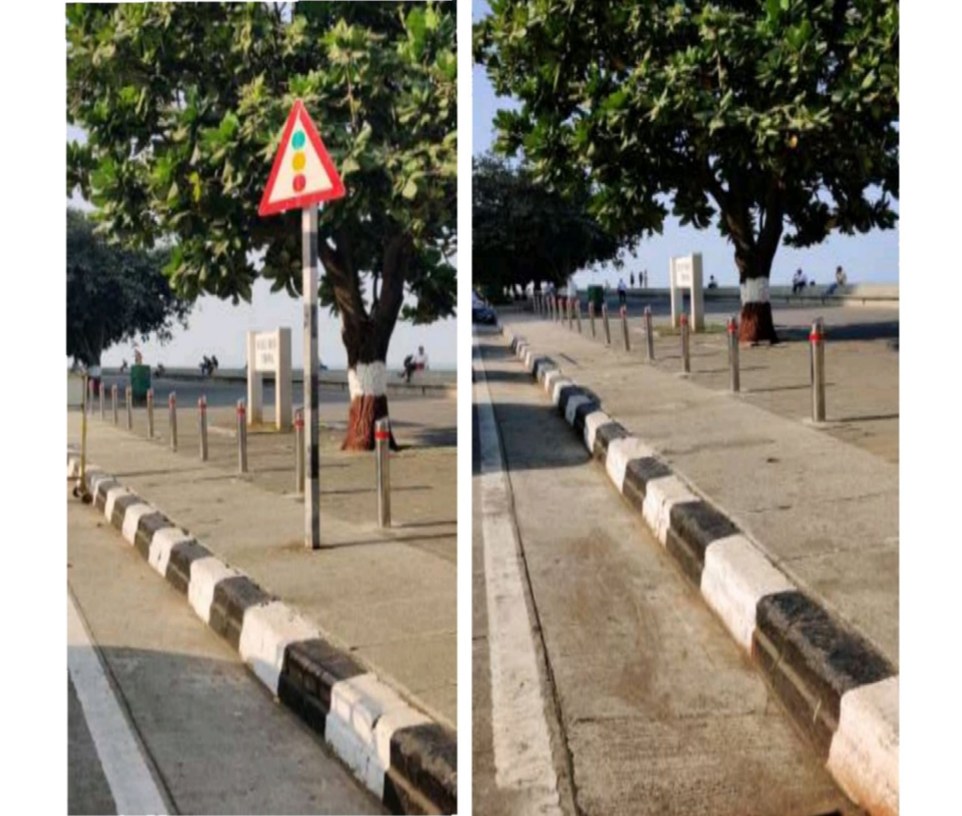
Removal of redundant signages and bollards on Netaji Subhash Chandra Bose Road (left) and Veer Nariman Street (right)
Working closely with the Municipal Corporation of Greater Mumbai and the Traffic Department, UDRI developed recommendations to consolidate redundant signage and improve the organisation of the public realm. The pilot successfully demonstrated how thoughtful design interventions can improve both functionality and visual quality.
Designing Streets for People
Building on the lessons from the pilot, UDRI proposed a series of urban design interventions aimed at creating streets that are safer, more accessible, and easier to navigate.
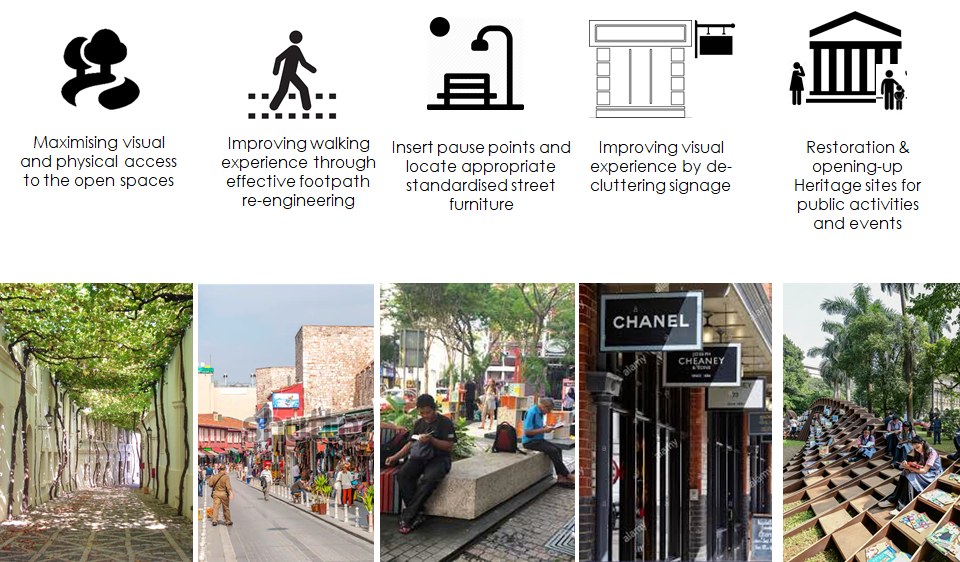
The proposals included redesigned footpaths with universal accessibility, standardised street furniture, organised vending zones, simplified signages, improved street lighting, better stormwater management, and the revitalisation of underused public spaces. Together, these interventions create a more coherent streetscape while preserving the character of surrounding neighbourhoods. The proposed design framework, illustrated in the report's diagrams, shows how coordinated improvements can transform the pedestrian experience without compromising everyday street activity.
Scaling the Initiative
Following the success of the South Mumbai pilot, UDRI expanded the initiative to identify 870 locations requiring decluttering along Khan Abdul Gaffar Khan Road, Pandurang Budhkar Marg, and Dr Annie Besant Road. The organisation subsequently surveyed six major arterial corridors across Mumbai and Thane, including S V Road, the Eastern Express Highway, the Western Express Highway, the Santa Cruz–Chembur Link Road, the Juhu–Vikhroli Link Road, and L B S Marg, demonstrating how the methodology could be applied at a metropolitan scale.
The same design principles were also adapted for Dr Sabne Road in Mahabaleshwar, illustrating how the approach can be replicated in historic market streets beyond Mumbai while responding to local context and tourism pressures.
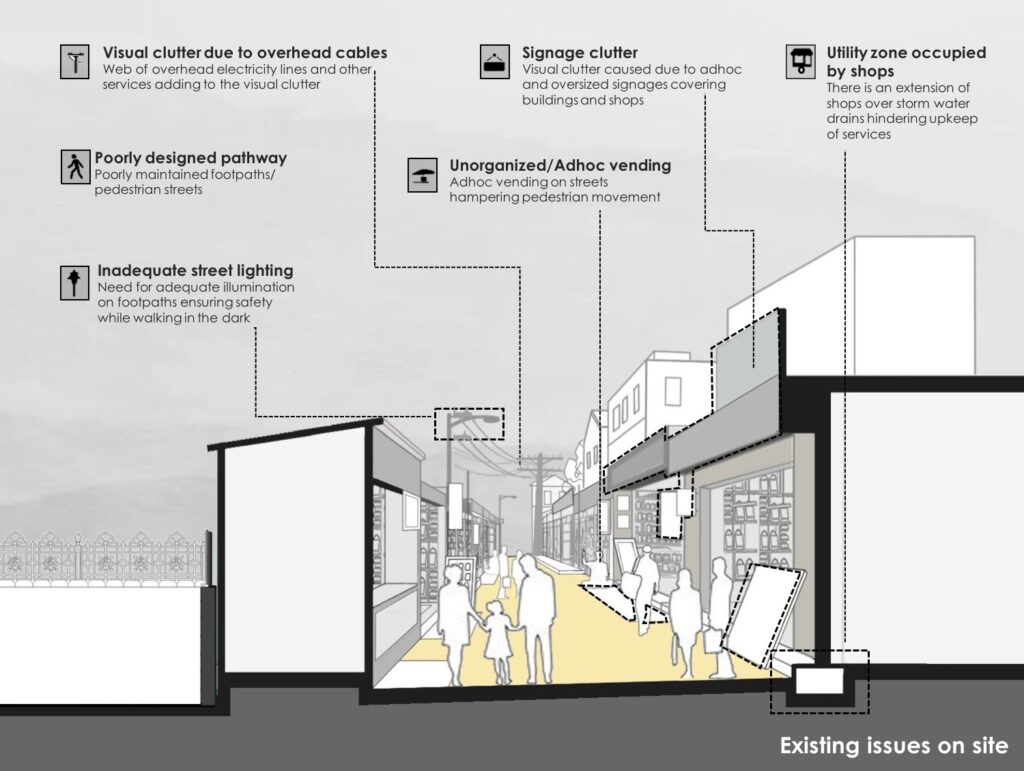
Existing issues on site
Urban Design Proposals and objectives:
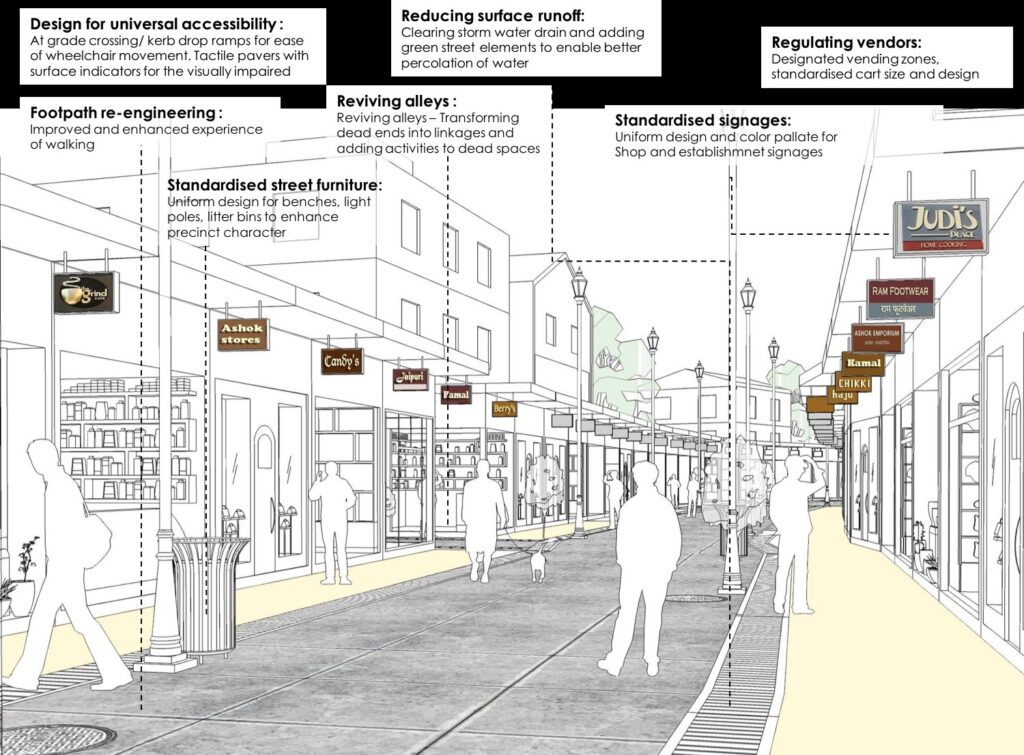
Proposed Interventions
Looking Ahead
Street improvement is most successful when it combines good design with coordinated implementation. The Decluttering of Streets initiative demonstrates that relatively small interventions, when guided by a clear urban design framework, can significantly improve the quality, safety, and identity of public spaces.
By reducing visual clutter, strengthening pedestrian infrastructure, and introducing consistent design standards, the project provides a practical model for creating streets that are more walkable, accessible, and responsive to the needs of both residents and visitors. It reinforces UDRI's commitment to building public spaces that place people at the centre of urban design.
Related Projects
Reimagining Mumbai's Eastern Waterfront
Unlocking the Potential of Mumbai's Historic Port Lands Through Integrated Urban Regeneration
Digital Inclusion
Making Urban Data Accessible for Better Planning
Refurbishment and Upgradation of MG Road, Fort, Mumbai
Transforming Historic Streets Through Heritage Sensitive Urban Design