
Building Pathways for Adequate Housing in Maharashtra
Building Pathways for Adequate Housing in Maharashtra
Developing Evidence-Based Frameworks for Inclusive, Community-Led Housing Redevelopment
Introduction
Access to safe, affordable, and adequate housing remains one of Maharashtra's most pressing urban challenges, particularly in Tier 2 and Tier 3 cities where informal settlements continue to grow and there is limited redevelopment activity. Recognising the need for context-sensitive housing solutions beyond conventional redevelopment models, the Urban Design Research Institute (UDRI) is undertaking Building Pathways for Adequate Housing in Maharashtra, an ongoing research initiative that seeks to develop practical frameworks for enabling self-redevelopment through financial feasibility models, policy recommendations, and decision-support tools. By integrating government housing schemes, municipal interventions, philanthropic funding, CSRs, and community participation into a unified planning approach, the project aims to empower informal settlements to become active stakeholders in improving their own housing. Through policy research, field investigations, stakeholder consultations, financial modelling, and spatial analysis, the project is developing tools that support evidence-based decision making while responding to the diverse socio-economic conditions found across Maharashtra's urban settlements.
Why Adequate Housing Matters?
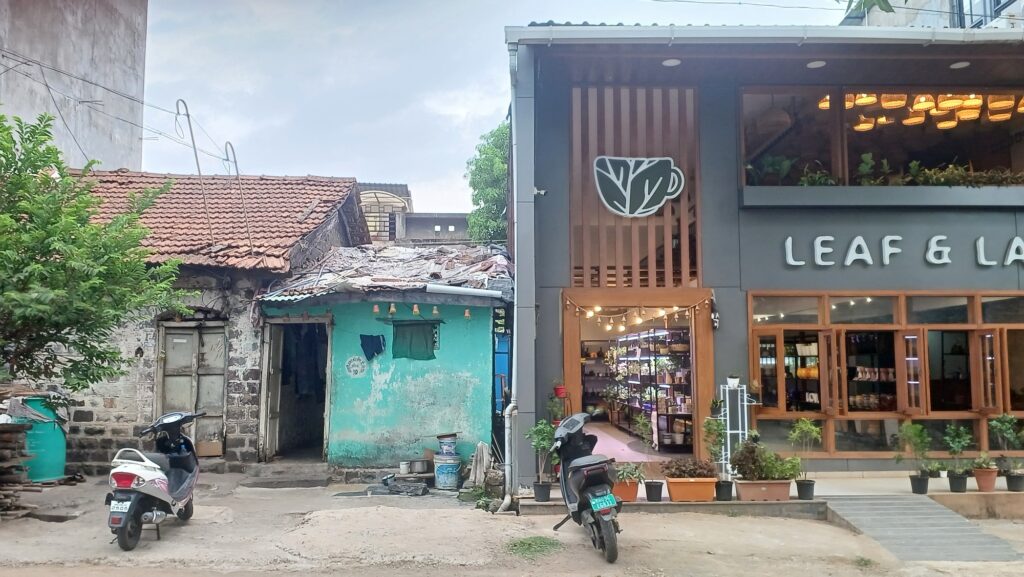
Adequate housing extends beyond the provision of shelter. It provides security, dignity, access to infrastructure, improved public health, and opportunities for social and economic mobility. Many Tier 2 and Tier 3 cities continue to experience limited formal redevelopment despite growing populations and ageing housing stock. Informal settlements often remain excluded because metropolitan redevelopment models are difficult to implement where land values, development potential, municipal capacity, and community aspirations differ significantly.
Understanding Maharashtra's Housing Challenge
Housing redevelopment requires balancing multiple, often competing priorities. Residents seek secure tenure, larger homes, improved infrastructure, and minimal disruption to established communities, while Urban Local Bodies must work within financial limitations, regulatory frameworks, and competing development priorities. In informal settlements, these challenges become even more complex as aspirations for better housing must be reconciled with subsidy availability, land constraints, implementation costs, and long-term financial sustainability. Existing approaches often provide limited support for assessing redevelopment feasibility at the settlement level. The project therefore develops analytical frameworks that account for settlement-specific physical, financial, and social conditions and support locally appropriate redevelopment strategies.
Building an Evidence-Based Framework
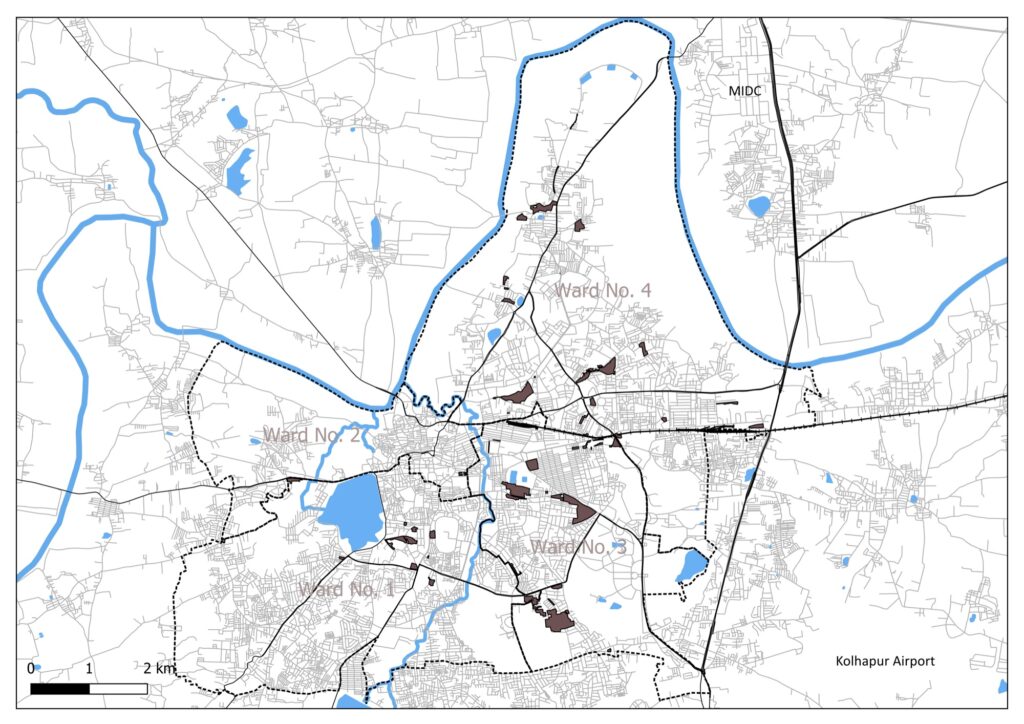
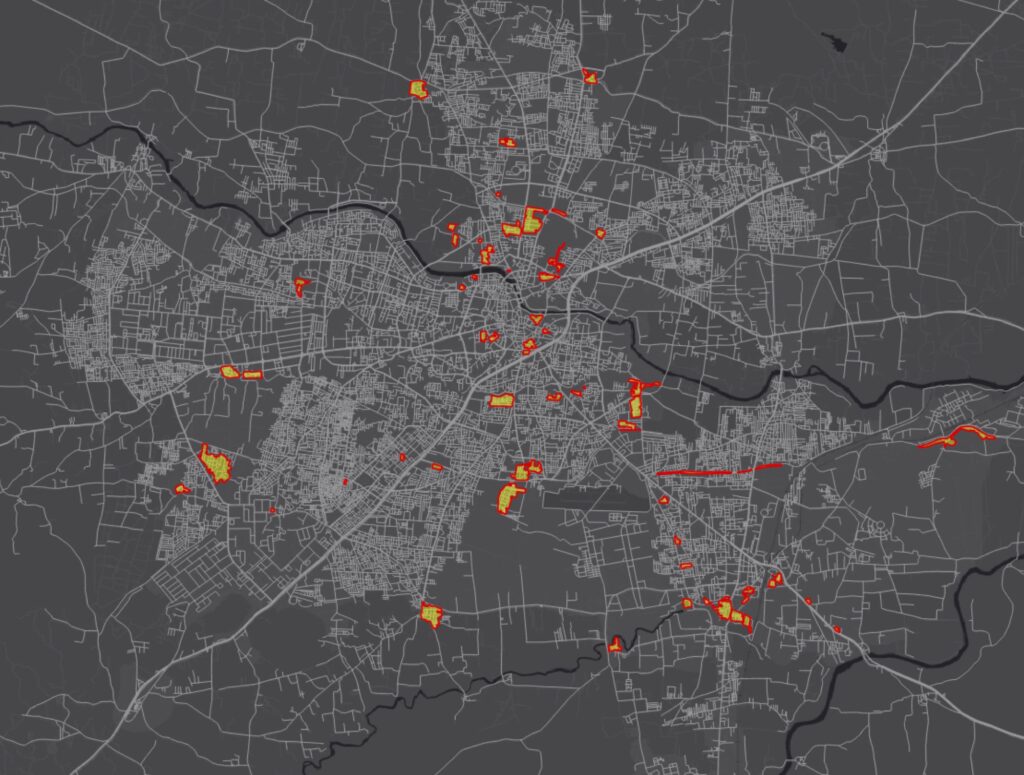
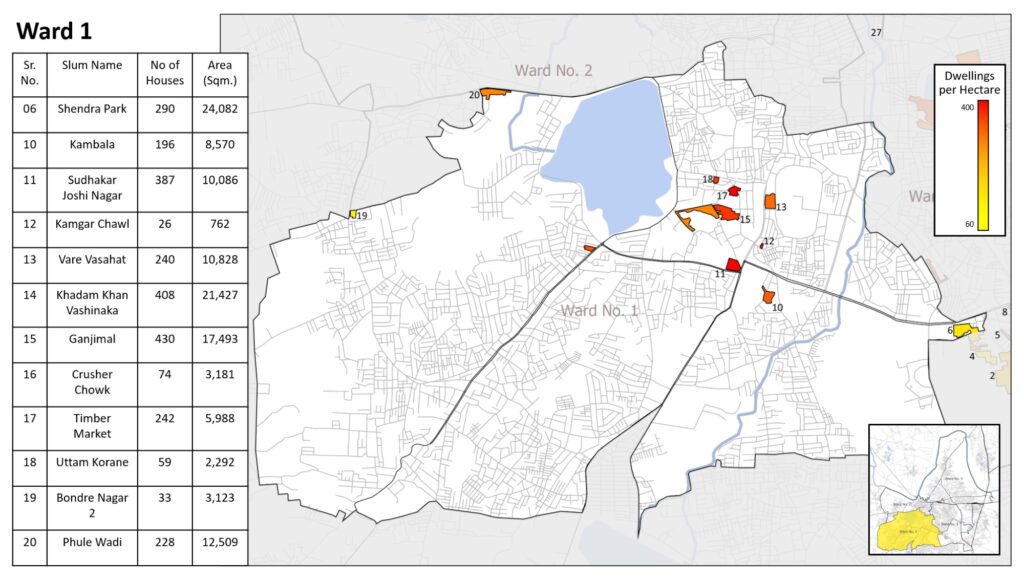
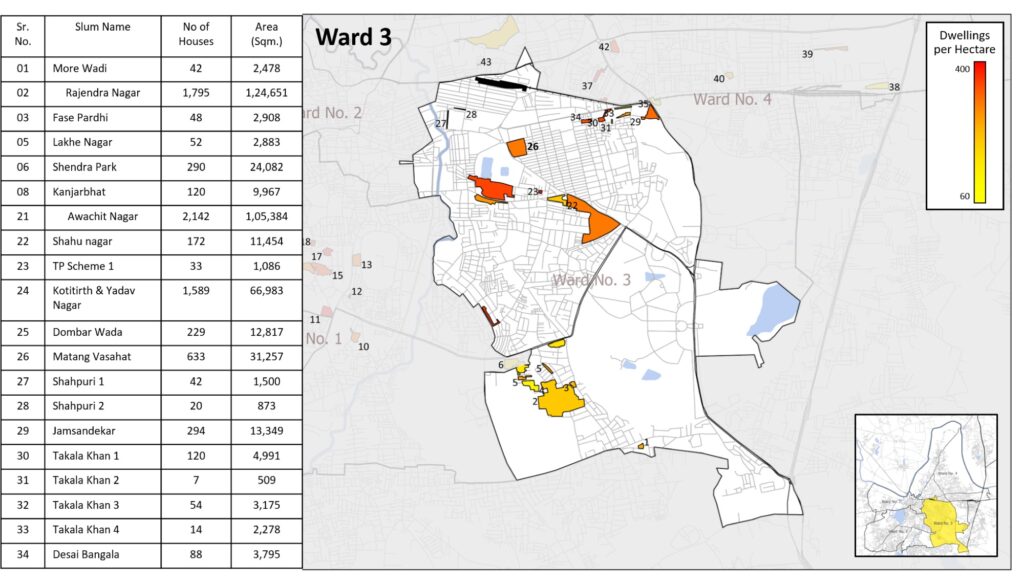
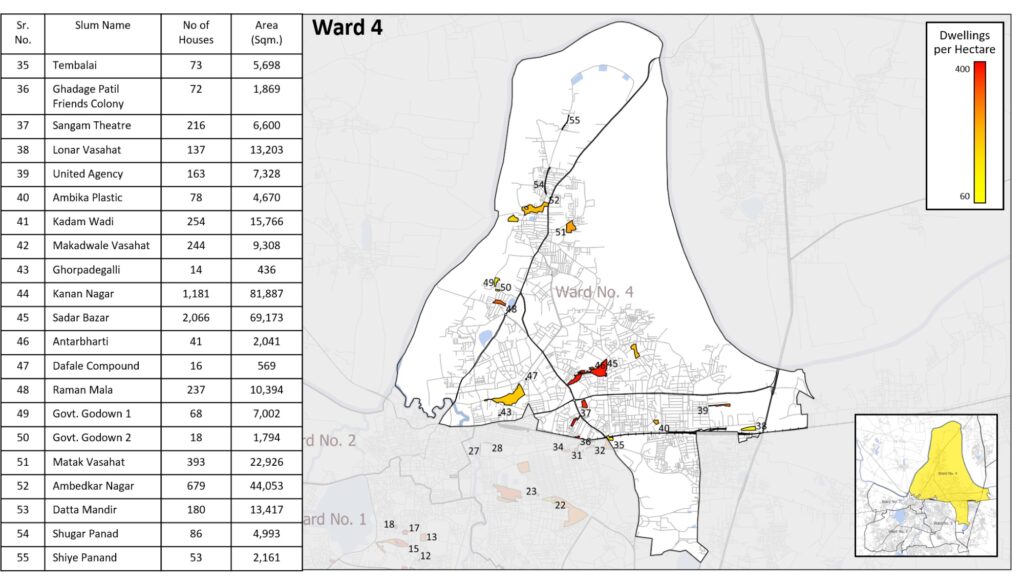
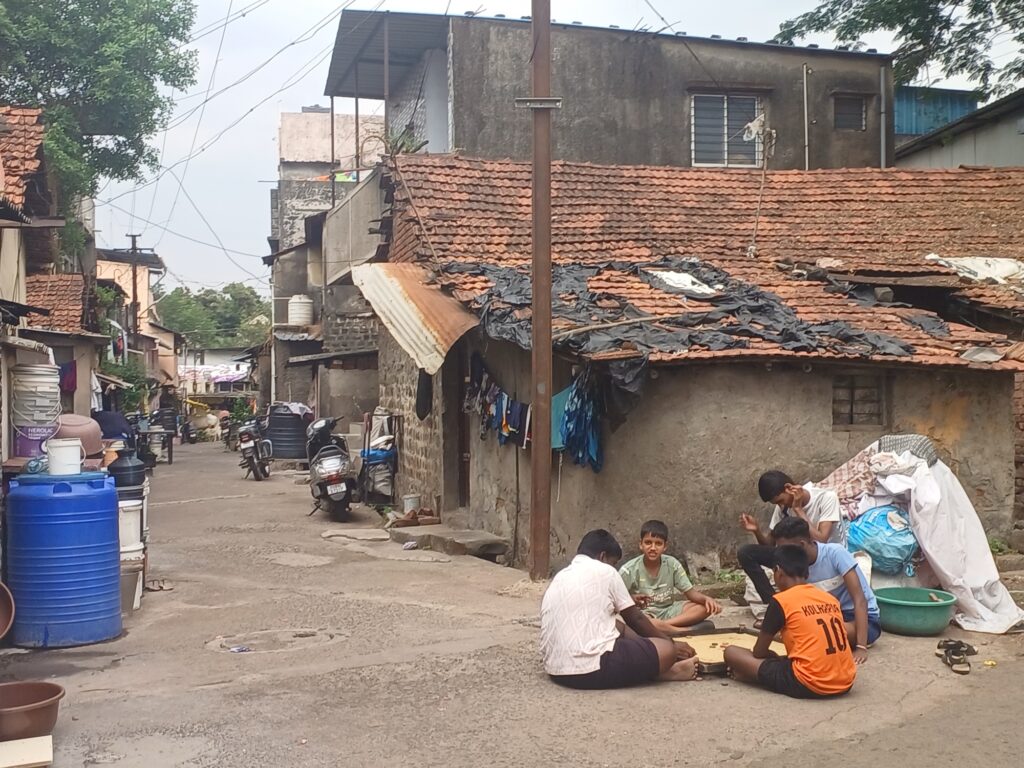
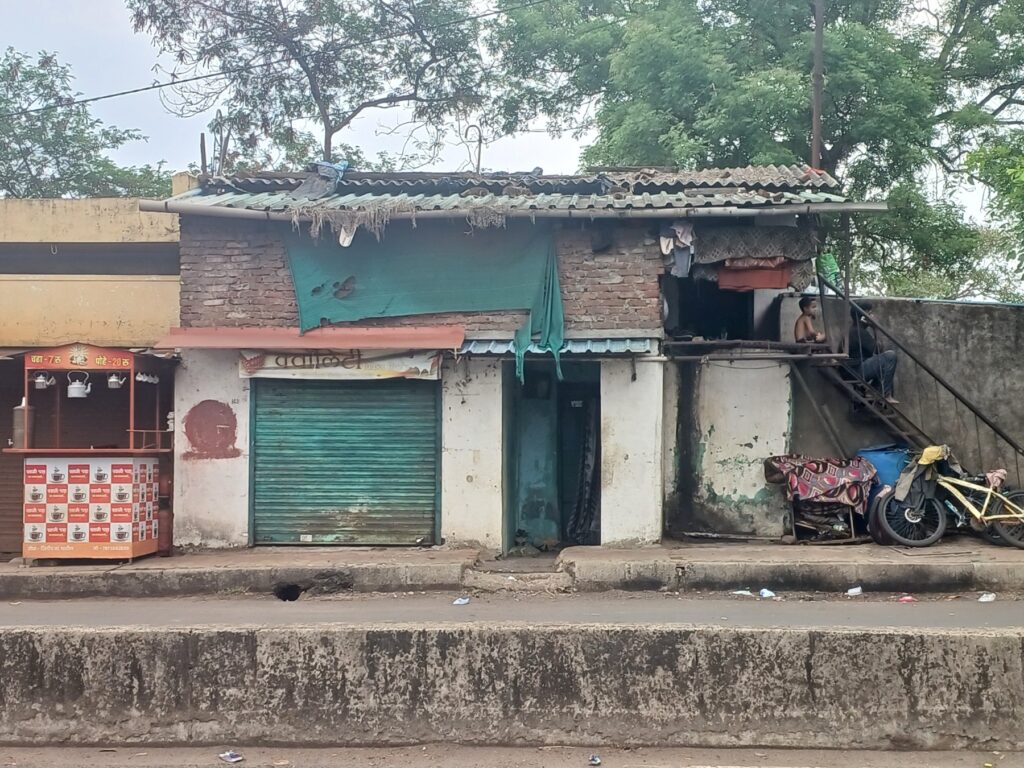
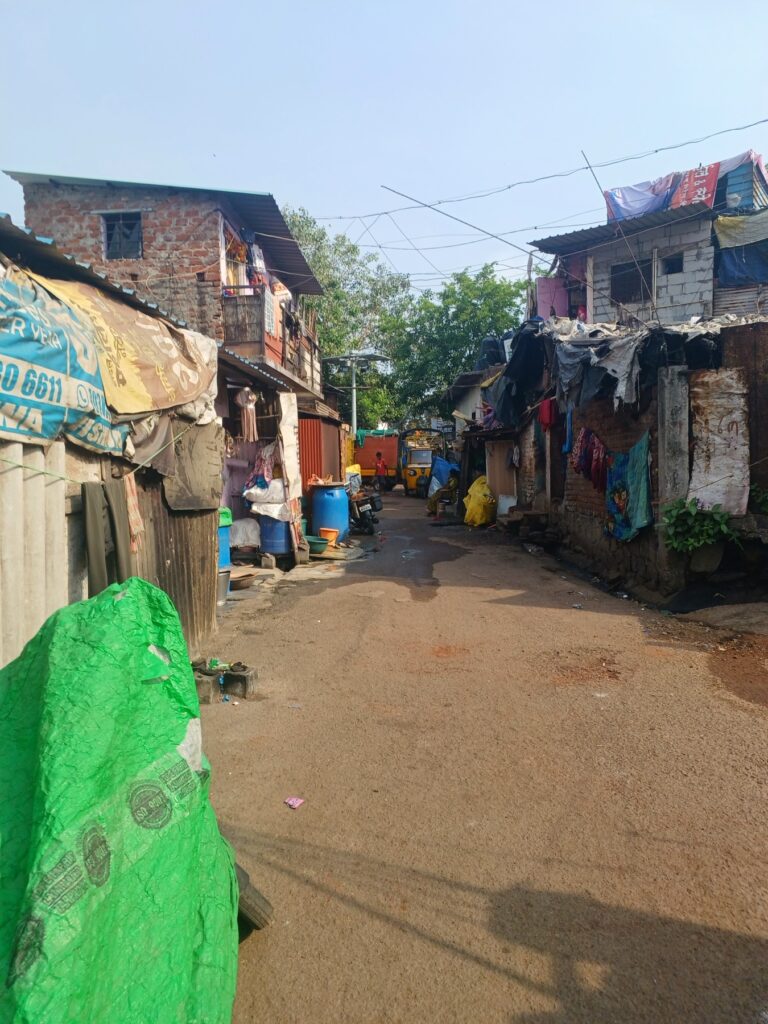
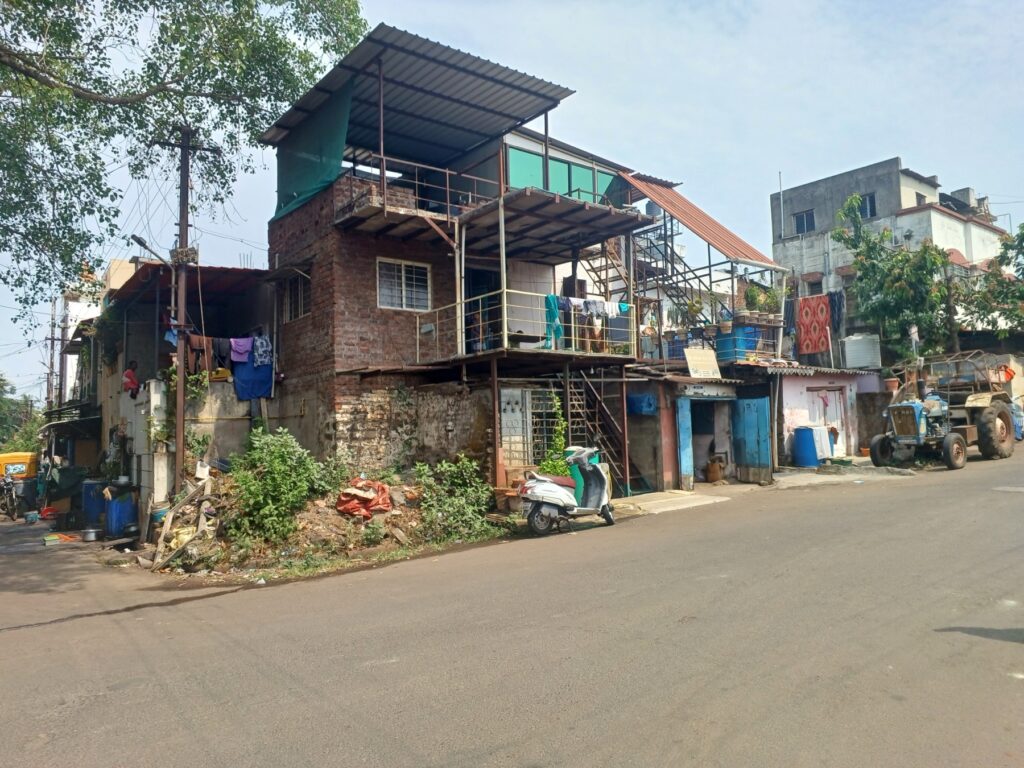
Recognising these challenges, UDRI adopted a multi-layered research methodology that combines secondary studies, field investigations, stakeholder consultations, spatial analysis, and financial modelling. The project began with a comparative assessment of 44 Urban Local Bodies across Maharashtra using demographic, housing, and redevelopment indicators to understand regional variations in housing conditions and programme implementation. Based on this analysis, ten representative cities were shortlisted before selecting Kolhapur as a pilot city for detailed investigations. Field visit to Kolhapur involved surveys across notified slums, redevelopment projects, and surrounding neighbourhoods, alongside extensive discussions with beneficiaries, municipal engineers, town planners, PMAY officials, and development agencies. These findings provided critical insights into the institutional, financial, and community-level challenges that shape housing redevelopment and informed the development of practical planning tools grounded in on-the-ground realities.
From Research to Decision Support
One of the project's principal outcomes is the development of an interactive Feasibility Calculator, designed to evaluate redevelopment scenarios using settlement-specific variables rather than generic planning assumptions. Organised into multiple analytical modules, the tool assesses factors including density, subsidy requirements, development potential, sale components, and financial viability while allowing users to model alternative redevelopment strategies. Stakeholder feedback was incorporated into successive refinements of the calculator to ensure that it reflected practical implementation challenges. Together with ongoing GIS database development and policy analysis, the calculator forms the foundation of a broader decision-support framework that can assist government agencies in evaluating context-specific redevelopment options.
Supporting Better Housing Governance
The project supports government agencies by providing transparent, evidence-based tools for evaluating redevelopment options and designing locally responsive housing strategies. Its findings inform policy recommendations for self-redevelopment, municipal implementation mechanisms, and the integration of government housing schemes with complementary funding sources. Technical assistance to pilot cities, supported by comprehensive GIS databases and continued stakeholder engagement, further demonstrates the project's emphasis on strengthening institutional capacity while enabling communities to participate more actively in shaping redevelopment outcomes.
Looking Ahead
As Maharashtra's cities continue to grow, the need for adaptable and financially sustainable housing solutions will become increasingly important. The project will continue refining its feasibility models, supporting pilot implementation, and translating research findings into practical guidance for government agencies and Urban Local Bodies across Maharashtra.
Gallery
View All Images
Related Projects
Reimagining Mumbai's Eastern Waterfront
Unlocking the Potential of Mumbai's Historic Port Lands Through Integrated Urban Regeneration
Digital Inclusion
Making Urban Data Accessible for Better Planning
Refurbishment and Upgradation of MG Road, Fort, Mumbai
Transforming Historic Streets Through Heritage Sensitive Urban Design