Reinventing Dharavi
Global Ideas for an Inclusive and Sustainable Future of Dharavi
Dharavi is one of the world's most dynamic informal settlements, known not only for its dense urban fabric but also for its vibrant economy, entrepreneurial spirit, and resilient communities. Over the years, numerous redevelopment proposals have attempted to transform the area, often focusing primarily on housing and real estate. Recognising the need for broader conversations on Dharavi's future, the Urban Design Research Institute (UDRI) launched Reinventing Dharavi, an international ideas competition that invited architects, planners, designers, engineers, economists, and social thinkers from across the world to imagine new possibilities for one of Mumbai's most complex urban environments.
Reinventing Dharavi
Why Dharavi Matters
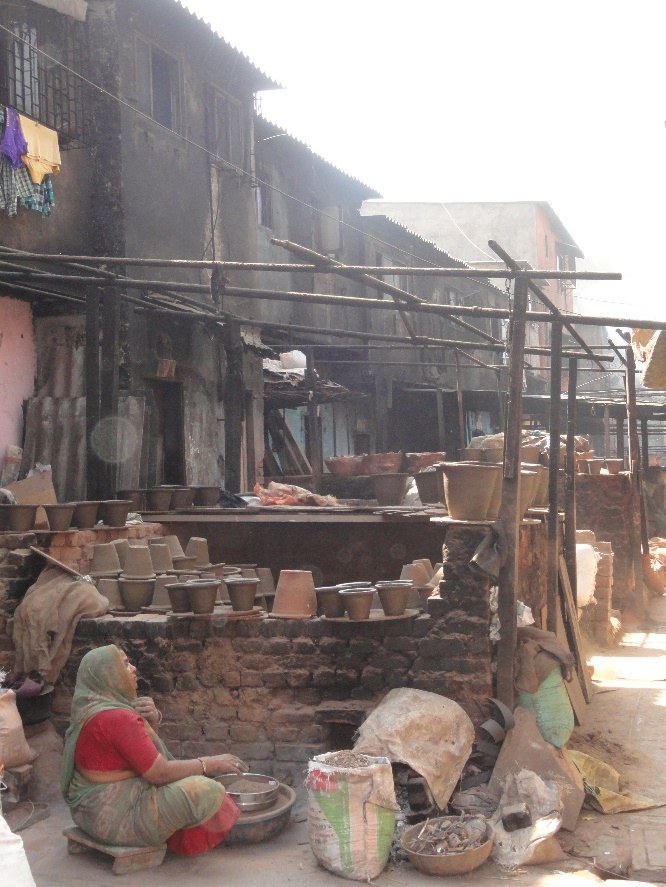
Dharavi is far more than a residential settlement. Spread across approximately 535 acres, it is home to hundreds of thousands of residents, more than 85 nagars, and a thriving informal economy with an estimated annual turnover of ₹3,000 crore. It is a place where homes, workplaces, markets, workshops, schools, places of worship, and public life exist in close proximity, creating a unique urban ecosystem that supports livelihoods and social networks.
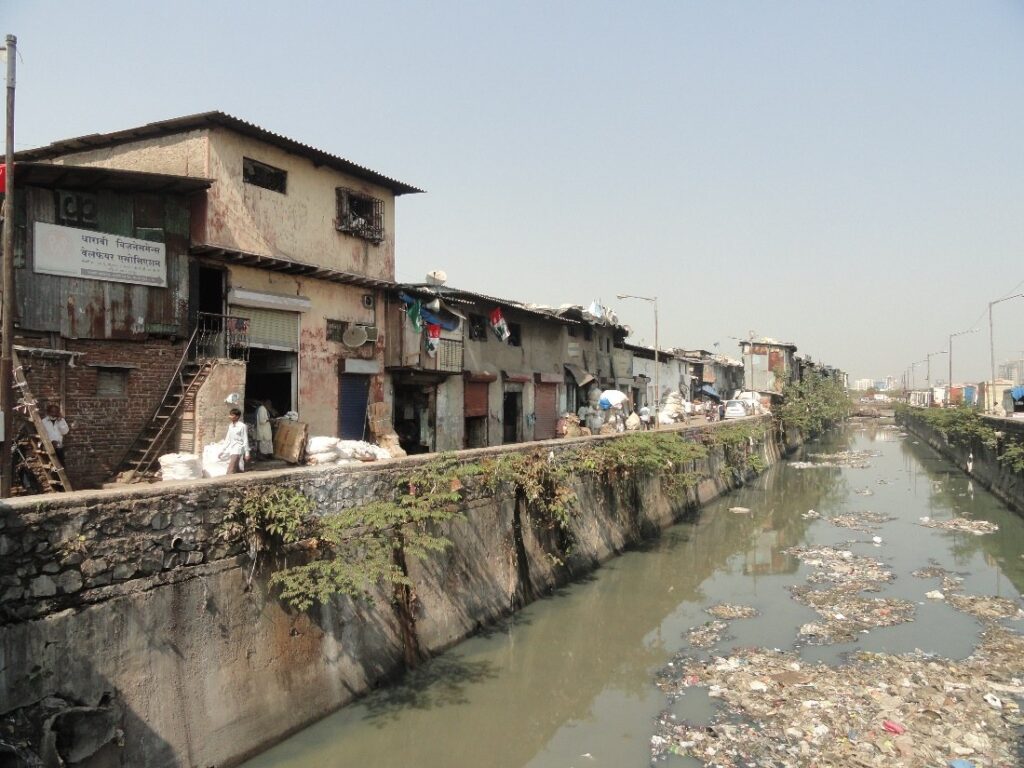
Despite its economic and cultural significance, Dharavi has long been the focus of redevelopment debates. Conventional redevelopment models often prioritised physical reconstruction while overlooking the complex social, economic, and environmental systems that make Dharavi function. This highlighted the need for fresh thinking that viewed redevelopment not simply as a housing project, but as a comprehensive urban transformation.
An International Platform for New Ideas
In 2014, UDRI conceived and organised the Reinventing Dharavi International Ideas Competition to generate innovative and interdisciplinary approaches to Dharavi's future. Rather than seeking a single master plan, the competition encouraged participants to explore new ways of integrating housing, livelihoods, infrastructure, mobility, governance, health, education, environment, finance, and public space into a cohesive vision for redevelopment.
The competition attracted 24 registered teams from 21 countries, bringing together professionals from architecture, urban planning, engineering, economics, law, social sciences, governance, and landscape design. This diversity reflected the belief that Dharavi's challenges require solutions that extend beyond traditional planning disciplines. The proposals explored a wide range of themes, demonstrating that successful redevelopment must address multiple dimensions of urban life.
Some proposals reimagined governance through participatory institutions that actively involved communities in decision making. Others focused on strengthening livelihoods by supporting existing industries and informal enterprises. Several teams proposed innovative housing typologies that balanced higher densities with shared public spaces and stronger neighbourhood connections. Other entries explored environmental resilience, sustainable infrastructure, mobility, water management, public health, and community facilities.
Rather than converging around a single solution, the competition revealed the diversity of approaches possible when redevelopment is viewed through the lenses of people, place, and opportunity.
Learning from Dharavi
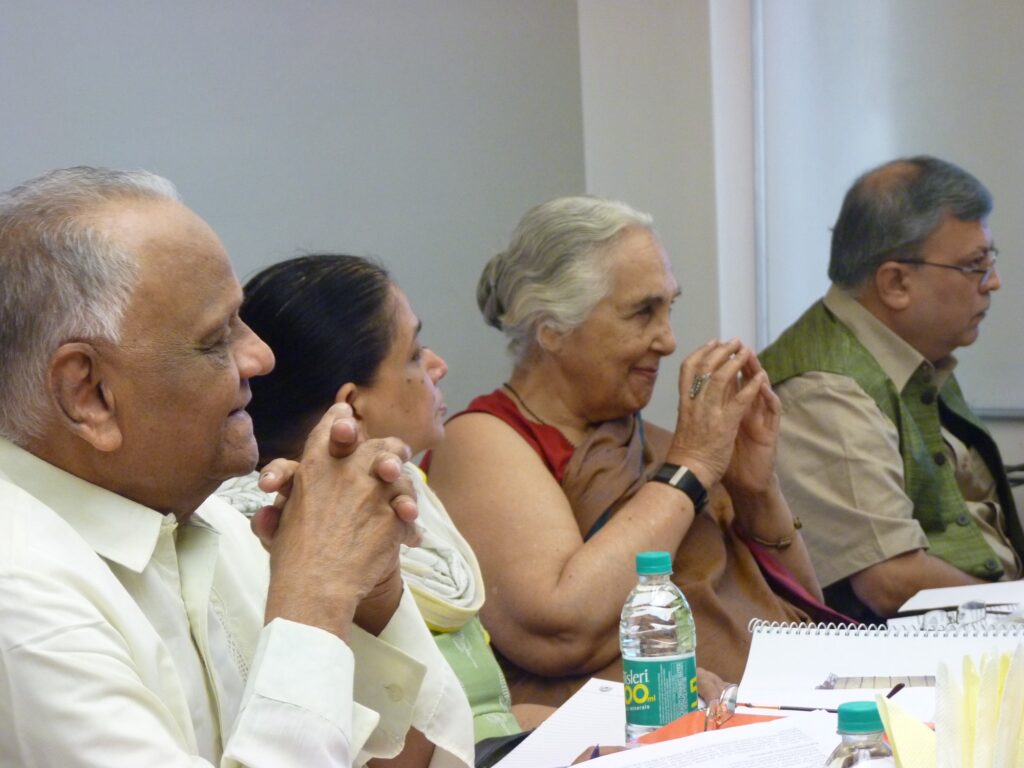
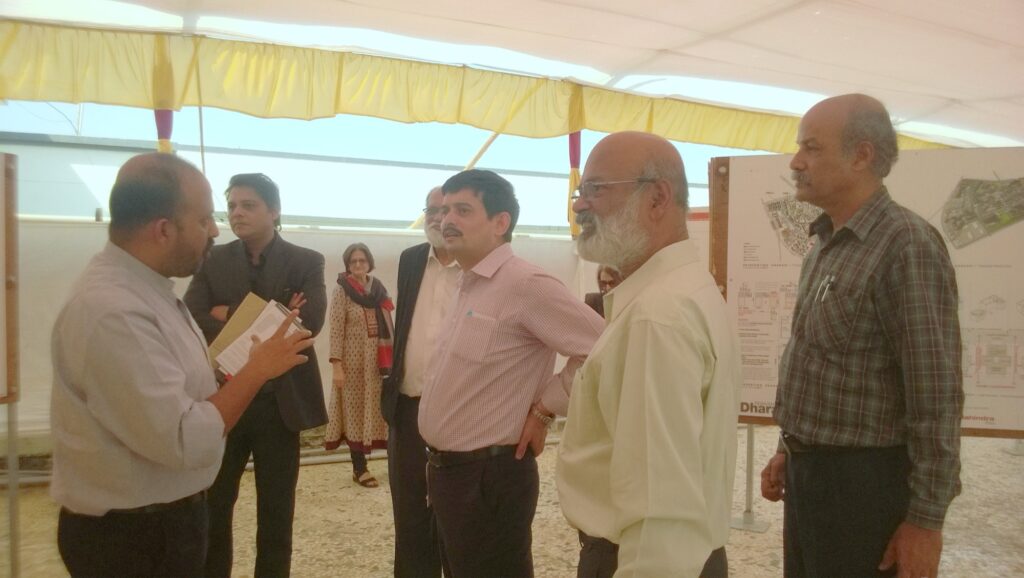
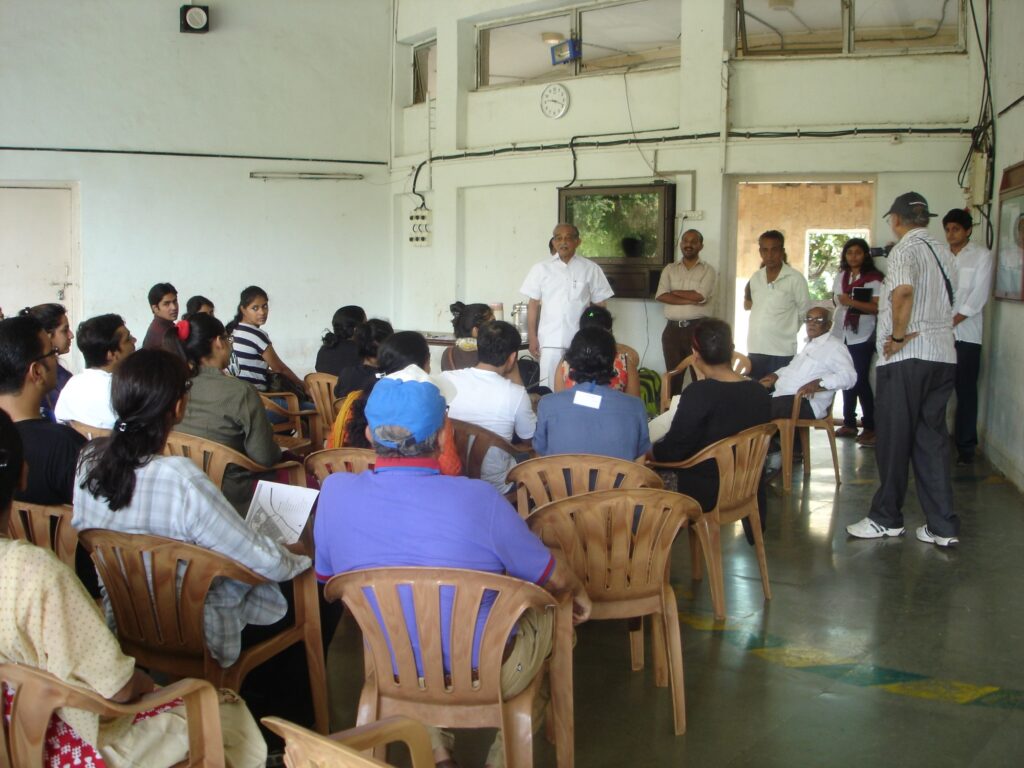
A defining feature of the competition was its emphasis on understanding Dharavi before proposing solutions. Participants attended workshops, field visits, stakeholder interactions, and discussions with community organisations, researchers, and local residents. These engagements provided valuable insights into Dharavi's everyday life, informal economy, governance structures, and neighbourhood networks, ensuring that proposals were grounded in the realities of the settlement rather than distant assumptions.
Building a Global Knowledge Resource
Following the competition, UDRI published Reinventing Dharavi: An Ideas Compendium, bringing together all submitted proposals into a single publication. The compendium documents the diverse ideas generated through the competition and organises them across themes including governance, planning, housing, finance, mobility, social amenities, infrastructure, livelihoods, environment, and implementation.
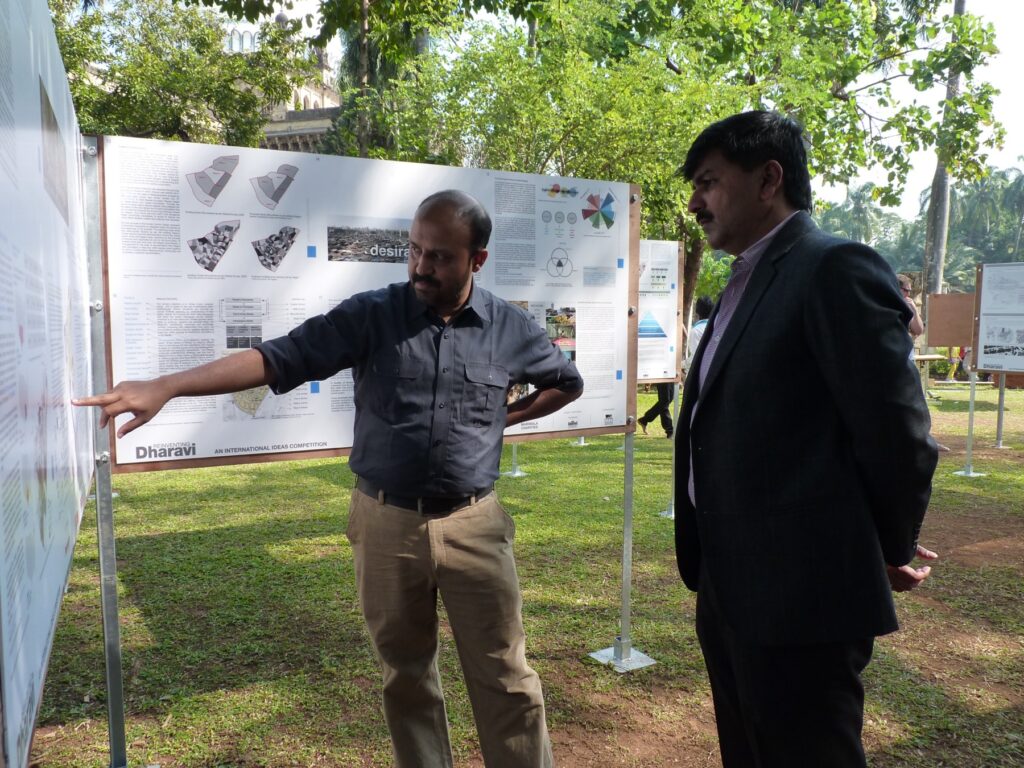
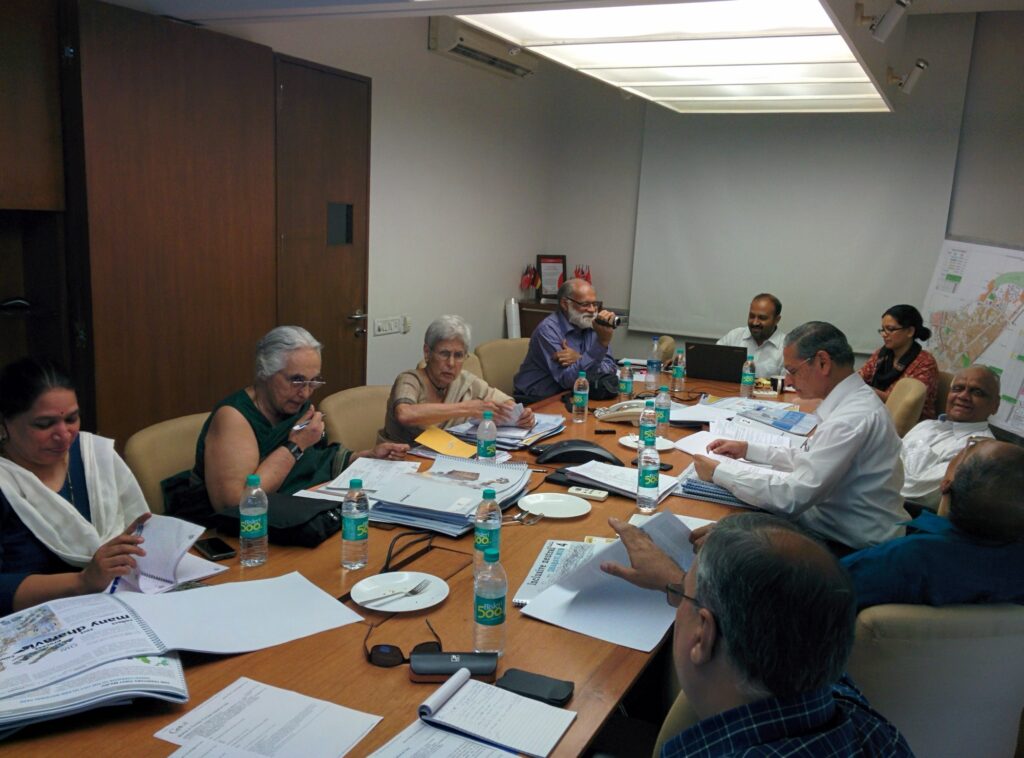
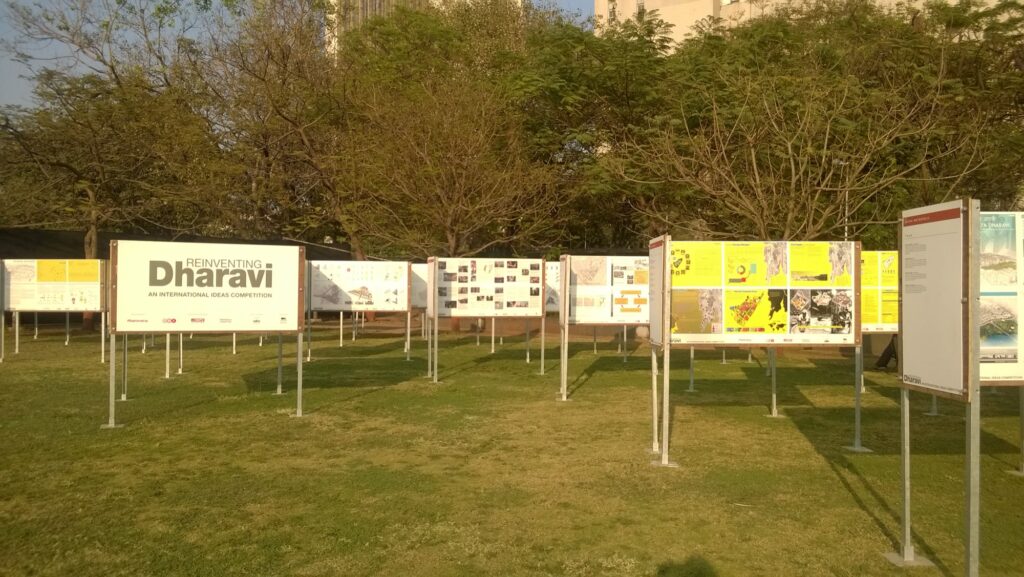
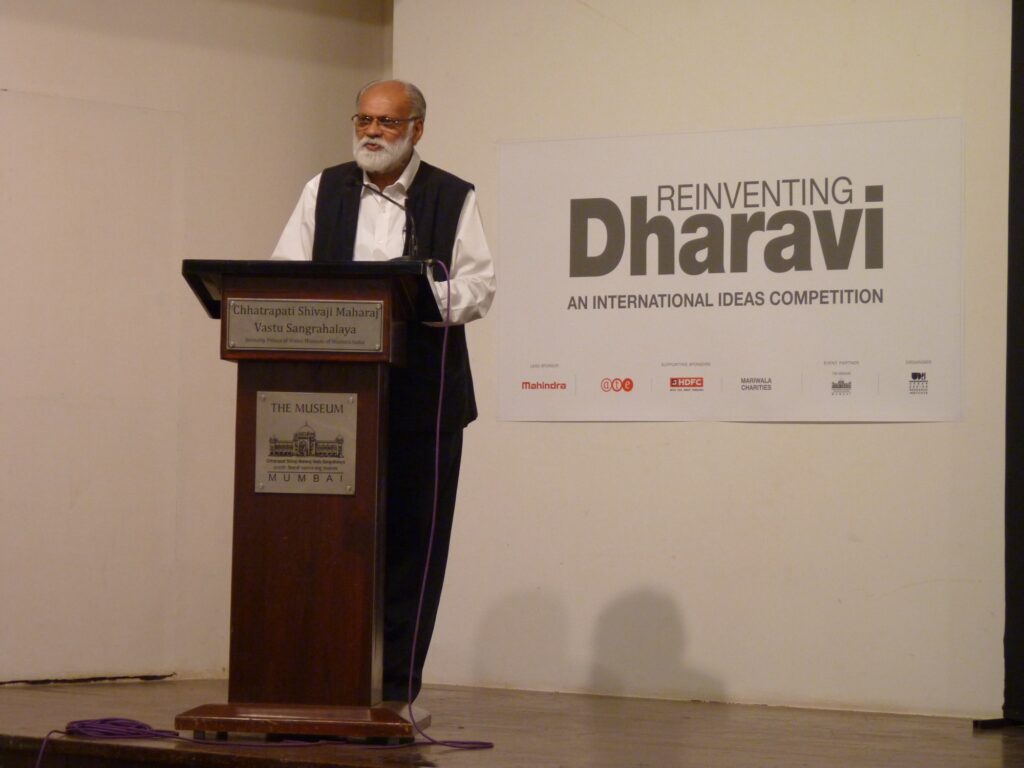
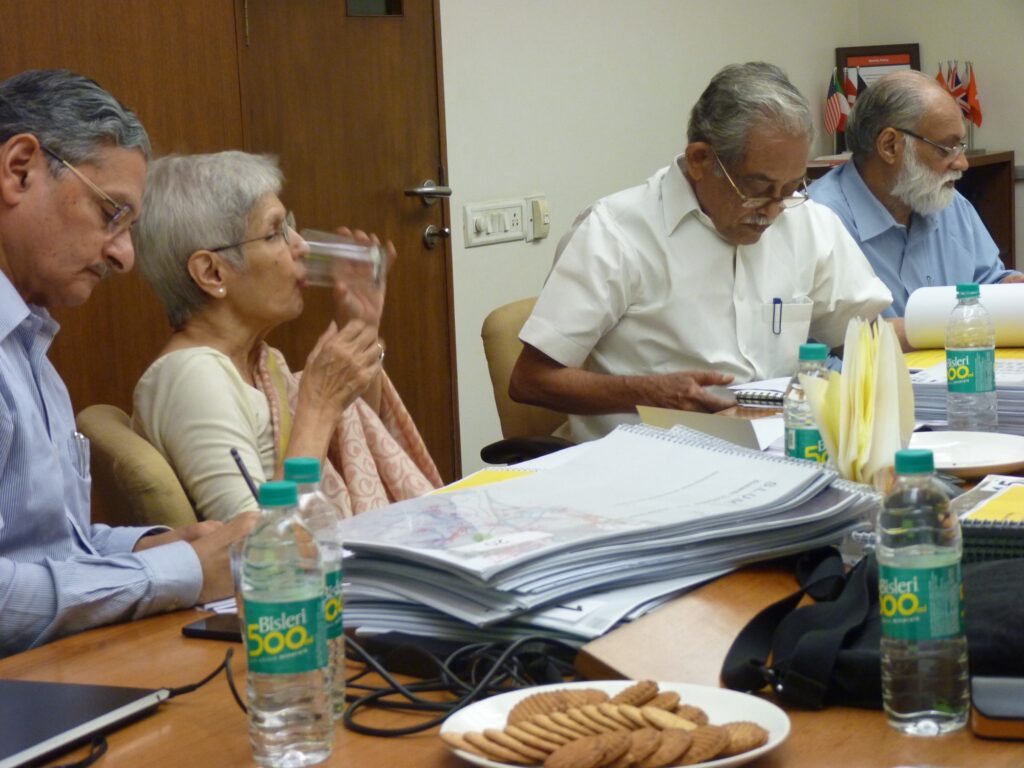
The publication serves as a valuable resource for planners, policymakers, researchers, students, and practitioners interested in informal settlements, participatory planning, and urban transformation. By presenting multiple perspectives instead of a single recommendation, it encourages continued dialogue on how complex urban challenges can be addressed through collaborative thinking. Through workshops, exhibitions, jury deliberations, and public presentations, the competition fostered meaningful conversations between professionals, institutions, government agencies, civil society organisations, and communities.
Looking Ahead
As cities around the world grapple with informal urbanisation, Dharavi continues to offer important lessons about resilience, entrepreneurship, community, and adaptation. Redevelopment must therefore build upon these existing strengths rather than replace them.
Reinventing Dharavi demonstrated how international collaboration, interdisciplinary research, and design thinking can expand the conversation on urban transformation. By bringing together ideas from across the world while remaining grounded in the lived realities of Dharavi, the project created a lasting knowledge resource that continues to inspire more inclusive, people centred approaches to planning and redevelopment.
Gallery
View All Images
Related Projects
Reimagining Mumbai's Eastern Waterfront
Unlocking the Potential of Mumbai's Historic Port Lands Through Integrated Urban Regeneration
Digital Inclusion
Making Urban Data Accessible for Better Planning
Refurbishment and Upgradation of MG Road, Fort, Mumbai
Transforming Historic Streets Through Heritage Sensitive Urban Design